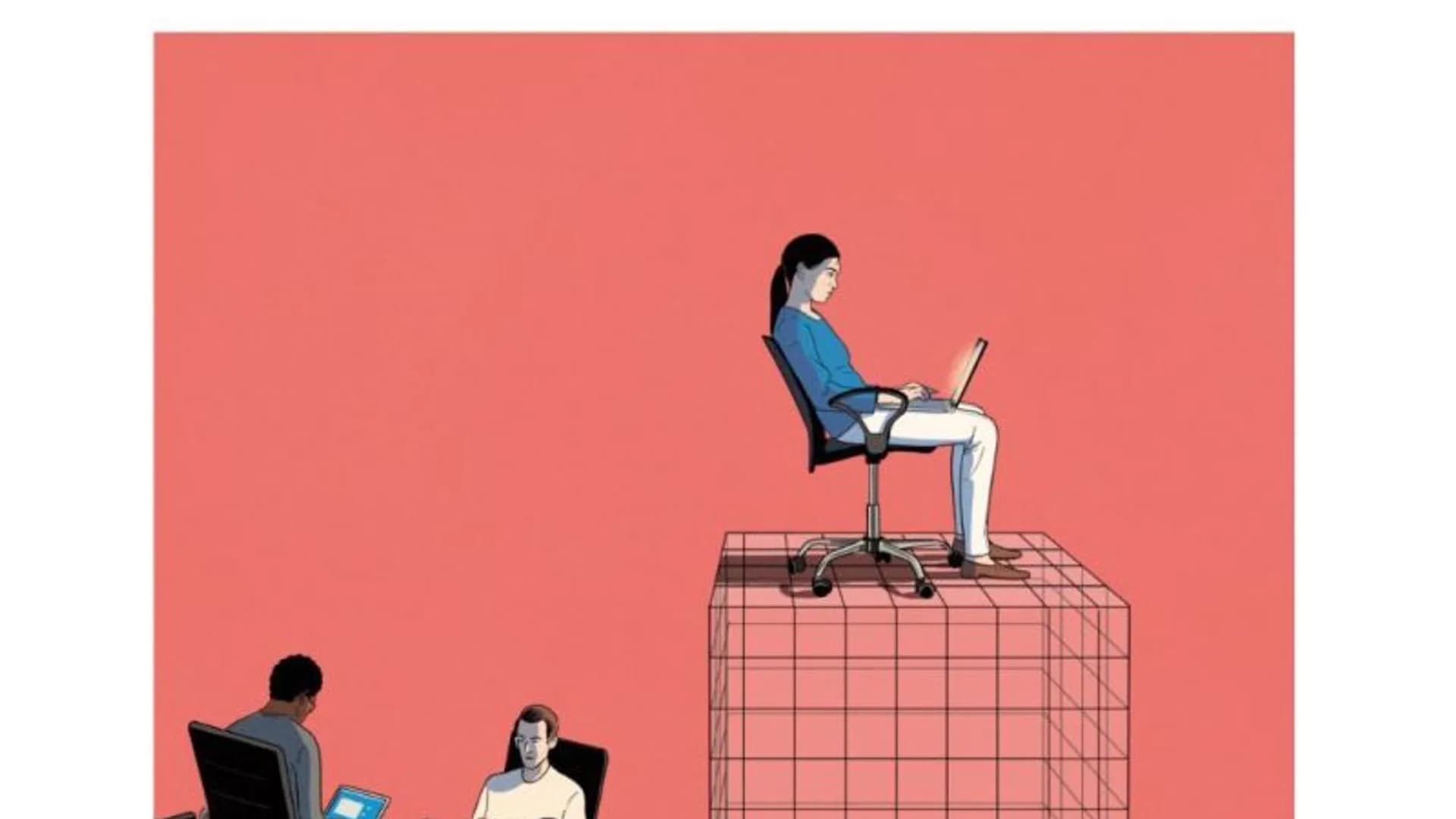
I wasn’t surprised when I saw data suggesting that AI can boost the performance of top performers by 100–200 percent. Not impressed — just unsurprised.
I’ve watched it happen in real time. The people who already understand their craft tend to get more from AI. Not because they’re using some secret tool or obscure prompt, but because they know what to ask, what to accept, and what to discard.
AI doesn’t replace judgment. It amplifies it.
Which is why the old saying about a bad workman blaming his tools feels newly relevant. When AI outputs are shallow, repetitive, or lifeless, the issue is rarely the machine. More often, it’s the professional who hasn’t done the work to sharpen their own skills.
I’ve said this before, especially around writing: if you don’t understand your own voice, your own rhythm, your own thinking, AI won’t magically give it to you. Prompting a machine doesn’t make you a writer any more than buying a camera makes you a photographer.
Maybe that’s why so much AI-generated content feels empty. It isn’t that the technology lacks soul. It’s that too many people are outsourcing the part of the work that was never meant to be automated in the first place.