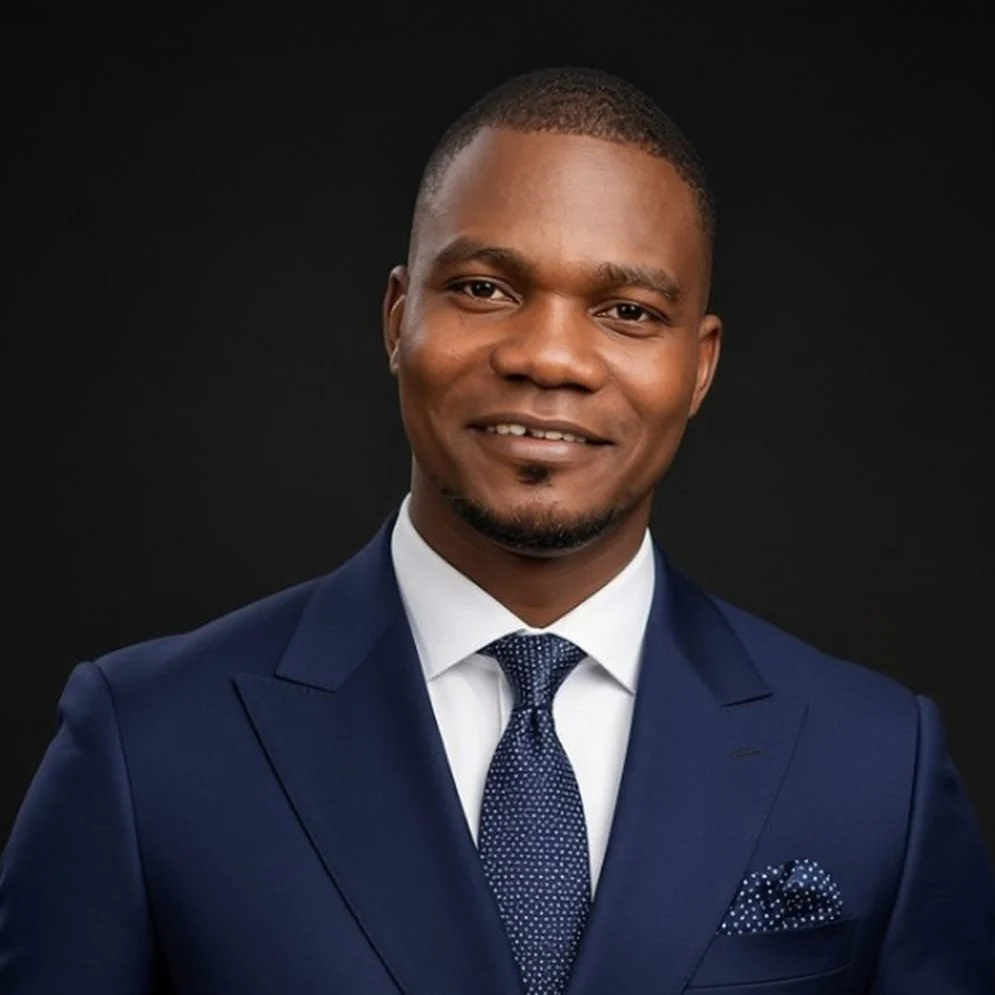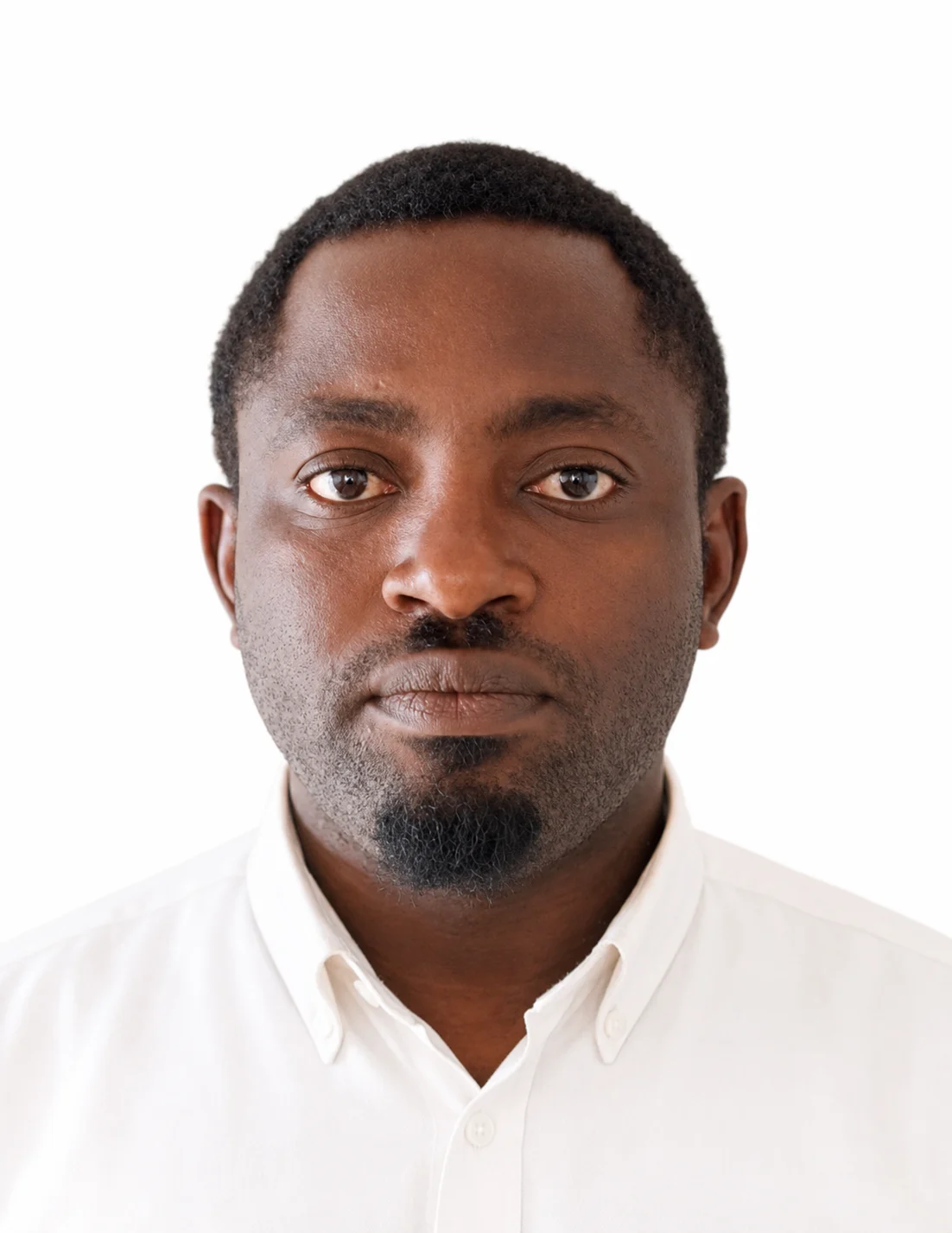
By Oluwatobiloba Gideon Oludayomi
Land does not make anyone rich. What you do with land, is what makes you rich.
I have walked through many farms in Nigeria, from small backyard plots to large expanse fields, and I have noticed something that never changes. The land is not the problem. The mindset of the person standing on it is the problem.
Genesis tells us something powerful. God gave Adam a garden and told him to work it and take care of it. Not to admire it. Not to fold his arms and wait for fruit to fall. He was told to work it. That instruction has never expired. Land responds to labour and vision, not to ownership papers alone.
I grew up watching family members hold onto land like it was a trophy. They would point at acres and say, this is ours, with pride in their voice. But pride does not plant seeds. Pride does not build irrigation channels. Pride does not negotiate with buyers. Many people are asset rich and cash poor, simply because they mistook possession for productivity.
A resource only becomes valuable when it is converted into something useful. Crude oil sitting underground is not wealth until it is refined. Farmland lying fallow is not wealth until it is cultivated with intention. This is where many landowners get stuck. They inherited land, or bought land, and stopped there, believing the land itself would do the rest.
The Nigerian agricultural sector currently contributes about twenty four percent to the nation's Gross Domestic Product, yet a huge percentage of arable land across the country remains uncultivated. That gap between what is available and what is used tells a story bigger than farming. It tells the story of untapped potential everywhere. Many of us are sitting on farmland, businesses, ideas, and relationships we have not activated.
I always tell people in the Dominion Guild Network, opportunity does not shout. It waits quietly until someone is willing to work.
Before you plant, ask questions. What does this soil actually support. What is the market demand around you. What skills do you have or need to acquire. Too many people rush into farming because they see someone else's harvest online, without asking if their own soil can carry the same crop.
Ecclesiastes gives wisdom here. The Good News Translation says, whatever you do, do it well. This is not just a spiritual principle, it is an economic one. Farming done carelessly produces careless returns. Farming done with study, structure, and patience produces compounding value.
I remember my early days managing farmlands. I made mistakes that cost me money and time, because I moved on the excitement of information. Excitement plants seeds. Information determines if those seeds survive. But a structured system is what keeps recycling the result for impact.
One of the fastest ways to turn farmland into a profitable asset is to stop treating it as a single stream. A piece of land can hold crops, livestock, and even renewable energy solutions like solar, working together instead of competing for space. This is called integrated farming, and it is one of the smartest ways to multiply value from the same soil. This is especially for those with little farmland size.
Think about it this way. If one stream fails due to weather or market shift, the other streams keep income flowing. This is not just agricultural wisdom, it is financial wisdom. Nobody serious about wealth puts all their trust in one basket, whether that basket is a job, a business, or a single crop.
There is a quiet lesson buried in farming that many miss. The seed does not argue with the season. It does not rush growth. It trusts the process, while still requiring the farmer to weed, water, and watch.
That is a picture of life itself. Growth takes time, but time alone does not grow anything. Time combined with consistent work is what produces harvest. Galatians puts it plainly, do not get tired of doing what is good, for we will reap a harvest of blessing if we do not give up.
I have watched people give up on land just months before it would have paid them back. Impatience is expensive. It costs more than most people realize, because it makes them abandon what would have eventually worked.
A farm feeds a family. A system feeds an economy. If you want farmland to become a real profitable asset, structure it like a business. Keep records. Track input costs. Understand your break even point. Build relationships with buyers before harvest, not after. Many farmers lose money not because the land failed, but because they had no system to manage what the land produced.
This is where cooperative farming becomes powerful. Pooling resources, knowledge, and land with trustworthy partners allows smaller landowners to operate at a scale that attracts serious buyers and investors. Land plus structure plus community, this combination changes everything.
Land will always mirror the one who owns it. Neglected land tells the story of a neglected vision. Cultivated land tells the story of a disciplined mind. Before you ask how to make your farmland profitable, ask what kind of steward you have been to what you already hold.
The ground is not waiting for luck. It is waiting for you.
What is that piece of land, resource, or opportunity you have been sitting on instead of working on. I would love to read your thoughts in the comment section. Let us learn from each other.
* * *
Oluwatobiloba Gideon Oludayomi is a life coach, a practical writer, a scripture addict, and a versatile entrepreneur creating wealth solutions through agriculture, real estate, and enterprise. He is the Visioneer of Ambassadors for Christ Intercessory Missions, a ministry mandated to raise a conscious generation and new covenant priests who will be a sweet savour unto God and humanity, a place of both spiritual formation and social impact. He is the Convener of the Dominion Guild Network, an ecosystem of high value individuals, young and determined to becoming an empowered generation. He is the author of "Build It to Last", "I Thought I Married a Wife" (a novel), and "Practical Love."