Teaching children good hygiene habits from an early age is one of the best ways to help them stay healthy and confident. Hygiene is not just about looking neat; it also protects children from germs, infections, and illnesses. By making hygiene part of their daily routine, parents can help children develop habits that will benefit them for life.
The first step is to lead by example. Children learn a lot by watching adults, so parents and caregivers should practice good hygiene themselves. When children see adults washing their hands before meals, brushing their teeth twice a day, and bathing regularly, they are more likely to copy these behaviors.
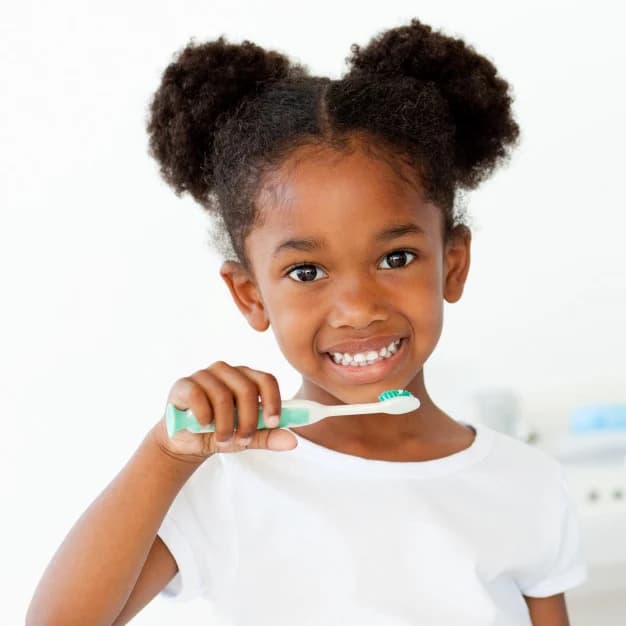
Another effective way is to make hygiene fun and engaging. Young children respond well to playful learning. You can use colorful toothbrushes, fun soaps, or sing short songs while they wash their hands to make the process enjoyable. Turning hygiene into a game or challenge can motivate children to participate willingly.
It is also important to teach the basics clearly and consistently. Explain simple hygiene rules such as washing hands after using the toilet, before eating, and after playing outside. Show them how to brush their teeth properly, cover their mouth when sneezing or coughing, and keep their nails clean and trimmed. Repetition is key, as children often need reminders before habits become routine.
Creating a daily hygiene routine helps children stay consistent. Set specific times for brushing teeth, bathing, changing clothes, and washing hands. A routine makes hygiene feel like a normal part of everyday life rather than a chore. For younger children, parents can create charts or checklists to track completed tasks.
Positive reinforcement also works well. Praise children when they follow hygiene practices correctly. Simple encouragement like “Great job washing your hands!” can build confidence and make them feel proud of their efforts. Small rewards or stickers can also help motivate younger kids.
Parents should also explain why hygiene matters in a way children can understand. Instead of only giving instructions, tell them that germs can make people sick and that staying clean helps keep their bodies healthy and strong. When children understand the reason behind a habit, they are more likely to take it seriously.