
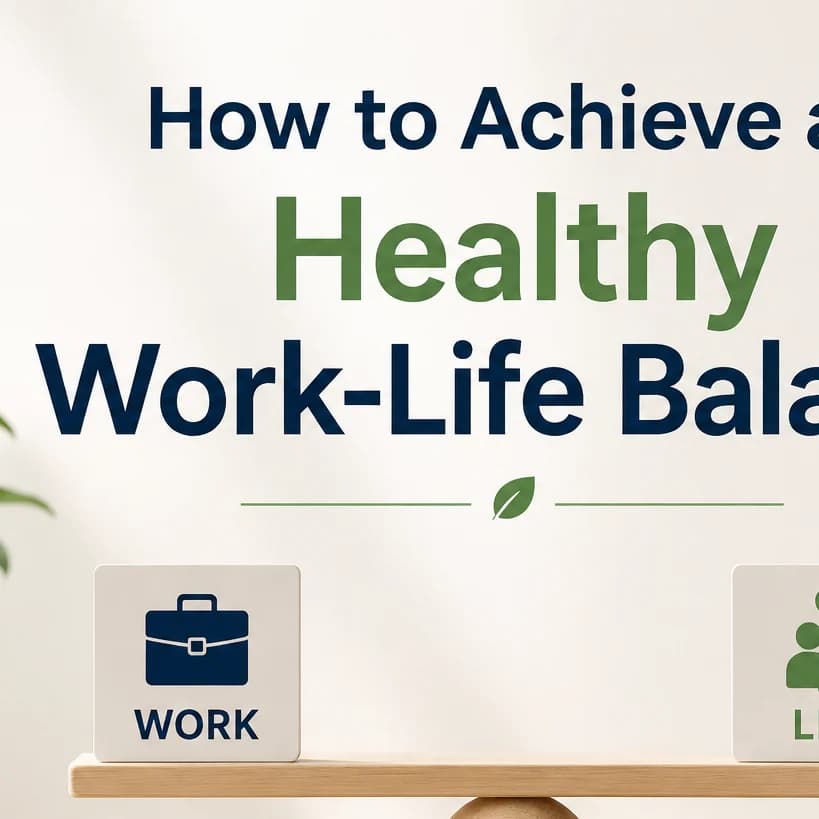
We are living in challenging times, and as a result, many people have become consumed by work. They work around the clock, often depriving themselves of adequate sleep. Some fear that if they do not work extra hours, they will struggle to pay their bills and meet their daily needs.
Many homes today lack genuine happiness because of an unhealthy work-life balance. Some parents spend long hours working, neglecting their children and leaving them in the care of housekeepers or to fend for themselves. Over time, this weakens the bond between parents and children, leaving many young people without proper parental guidance and increasing the chances of them going astray.
Marriages are also affected by work-life imbalance. Some couples experience constant misunderstandings, emotional distance, separation, and even divorce because they no longer make time to communicate and connect with each other.
In addition, work-life imbalance can lead to serious health problems. These include stress, sleep deprivation, hormonal imbalance, coronary heart disease, depression, and a weakened immune system that makes the body more vulnerable to illnesses. In summary, an unhealthy work-life balance can negatively affect both mental and physical health.
The desire to achieve our dreams and meet every financial need is understandable. However, this pursuit can sometimes cause us to neglect ourselves, our families, and our friendships. Maintaining a balanced work life helps create time not only for work, but also for family, personal interests, rest, and social relationships. This issue affects both men and women alike.
Studies show that working long hours—especially between 50 to 60 hours weekly—increases the risk of anxiety and depression. Although the effects may not be immediately noticeable, the consequences often appear later in life.
So, is it possible to achieve a healthy work-life balance? Absolutely! This article will guide you through practical ways to create a healthier balance between your work and personal life.
The following tips can help you achieve a better work-life balance:
1. Make Your Health a Priority
Nothing is more important than your health. Without good health, it becomes difficult to perform effectively at work or enjoy other aspects of life. If you do not prioritize your health, no one else will do it for you.
Making your health a priority helps prevent overworking, fatigue, stress, and other health complications. It also gives you time to rest, exercise, meditate, and take care of your mental well-being.
2. Set Aside Quality Time
When you have free time, avoid spending it on activities that drain your energy unnecessarily. Instead, use that time to do things that refresh and make you happy.
You need time to recharge mentally and emotionally. Spending quality time with family and friends strengthens your relationships and improves your overall well-being. Never neglect the people who matter most in your life.
3. Set Clear Boundaries
Setting clear boundaries between work and personal life is essential. Whether you are an employee or a business owner, you should establish specific times for work and times for rest.
If necessary, set up an auto-response message for customers or inform your colleagues and employer that you will not be available after working hours. Creating these boundaries helps prevent burnout and keeps work from taking over your entire life.
4. Take Regular Breaks
Do not become so overwhelmed with work that you forget to rest. Remember, only a healthy and mentally stable person can continue to work effectively.
Taking breaks is not a sign of laziness—it is necessary for your well-being. Whether you work in an office or from home, make time for short breaks during the day. This could be a 30-minute break, a one-hour rest period, or even a few days off to recharge.
Giving your body and mind time to recover helps you stay productive, focused, and healthy in the long run. You deserve rest, so make it a priority.