Then I realized something important: being a Data Analyst isn’t just about tools. It’s about thinking. I trained myself to always ask questions like:
1. What happened?
2. Why did it happen?
3. What does this pattern mean?
This analytical thinking became more important than any software.
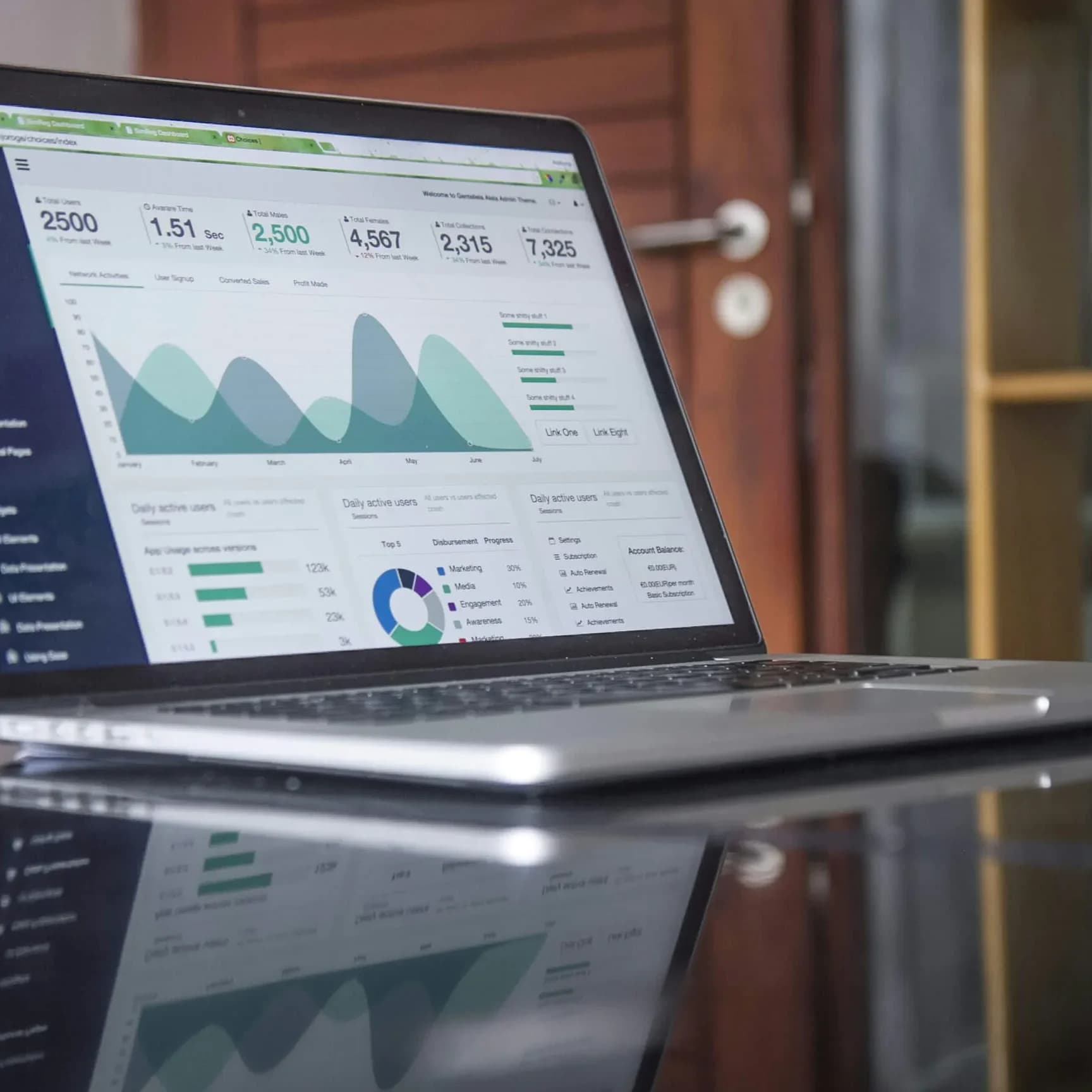
Next, I learned data visualization using tools like Power BI or Tableau. I discovered that analysis is useless if you can’t communicate it clearly. A good dashboard tells a story. I practiced turning raw data into simple charts that anyone could understand. I focused on clarity, not complexity.
At some point, I started building small projects. Instead of just following tutorials, I created my own analysis. I analyzed sales data. I explored survey responses. I examined trends in public datasets. That’s when everything started connecting. Projects helped me move from “learning” to “doing.”
Another big step for me was learning how to clean data properly. Real-world data is messy. There are missing values, duplicates, formatting errors. I learned that cleaning data can take more time than analyzing it. But it’s a skill that separates beginners from professionals.