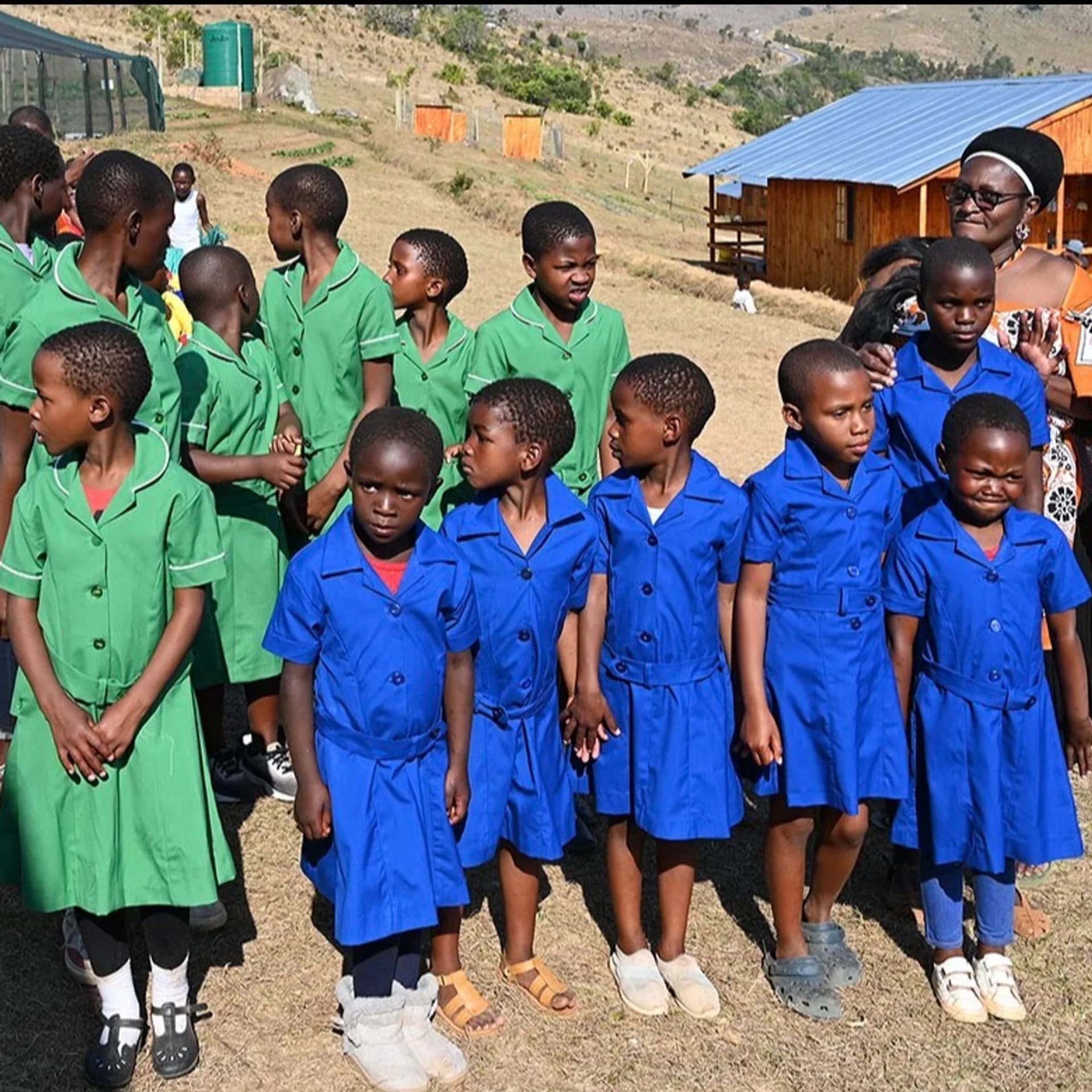
Location: Kumasi
Builder: Comfort Owusu, school-uniform tailor
Comfort Owusu has never been invited to a fashion show.
She doesn’t sketch designs.
She doesn’t follow trends.
Yet every school term in Kumasi, her small workshop decides whether hundreds of children show up properly dressed or not at all.
Comfort sews school uniforms.
And that is more powerful than it sounds.
⸻
The business nobody brags about
Comfort runs a uniform-only tailoring business from a narrow roadside shop. No mannequins. No ready-to-wear displays.
Just:
• fabric rolls
• chalk marks on wooden tables
• two manual sewing machines
• a notebook filled with names and class levels
She doesn’t sell clothes for occasions.
She sells permission to attend school without shame.
⸻
How it started (after seeing the pattern)
Years ago, Comfort worked under another tailor. Every term, she noticed the same rush:
• parents scrambling
• children wearing tight or torn uniforms
• last-minute sewing chaos
Uniforms were mandatory. Tailors were unprepared.
When she opened her own shop, she made one decision:
“I will only sew what repeats.”
That choice removed uncertainty.
⸻
The system that keeps her sane
Comfort runs on school calendars, not fashion seasons.
Her rules:
1. Bulk orders first, individuals later
2. Measurements taken before holidays
3. No rush jobs after term starts
Parents resisted at first.
Then they noticed something:
• uniforms ready early
• fewer mistakes
• predictable pricing
Teachers started recommending her.
⸻
Why she makes more during “boring” months
Her busiest periods are not festive seasons.
They are:
• just before first term
• just before second term
She prepares early:
• buys fabric in advance
• pre-cuts common sizes
• schedules helpers temporarily
When other tailors panic, Comfort delivers calmly.
⸻
The invisible economics of uniforms
Uniform tailoring is not cheap tailoring.
She manages:
• fabric price inflation
• school-specific color changes
• parents delaying balance payments
To survive, she enforces one hard rule:
Fabric money must be paid upfront.
Labor can wait. Materials cannot.
⸻
Why she refuses to “diversify”
People tell her to add:
• wedding dresses
• church outfits
• ready-made clothes
She refuses.
Fashion brings:
• taste disputes
• emotional customers
• unpredictable demand
Uniforms bring:
• fixed standards
• repeat orders
• referrals through schools
Comfort chose stability over applause.
⸻
Numbers that look small — until you understand them
• hundreds of uniforms per term
• predictable annual income
• near-zero unsold stock
She doesn’t go viral.
But she never closes unexpectedly.