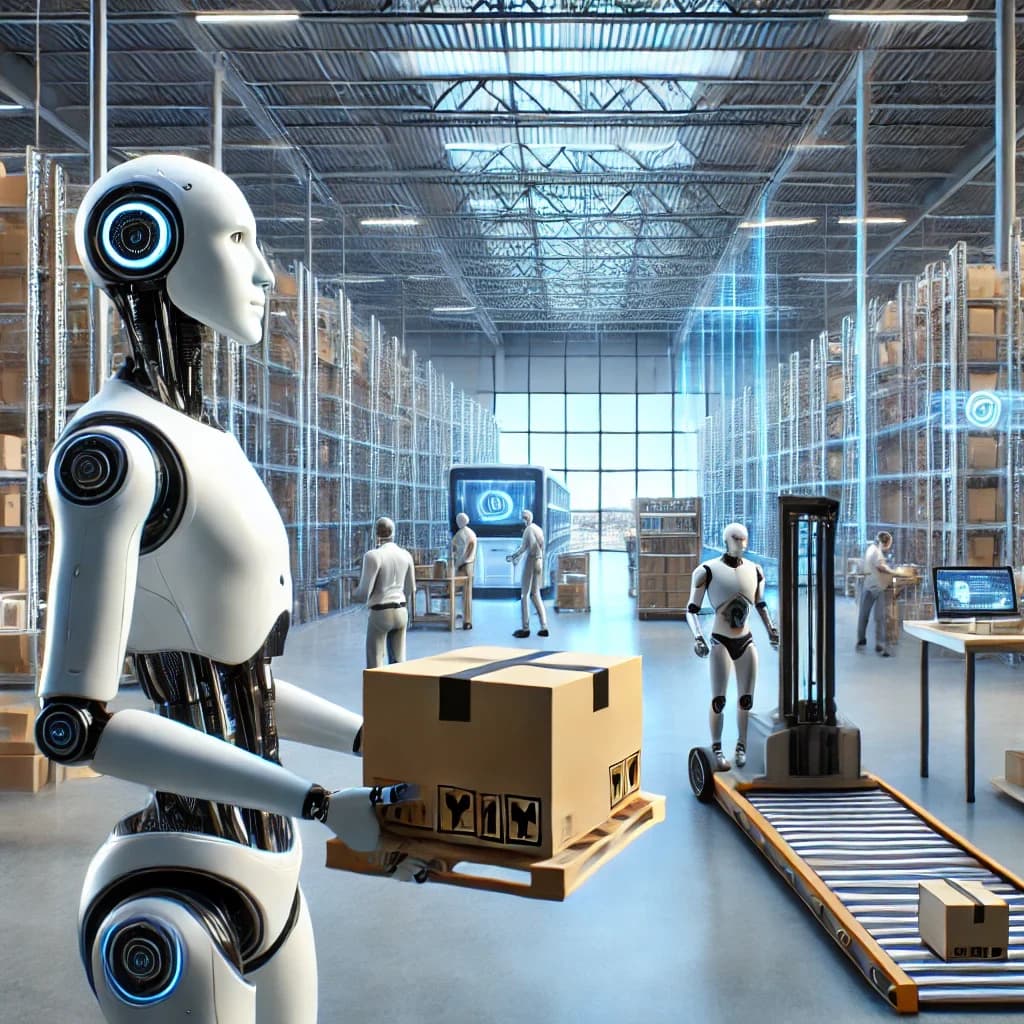
If you are asking if robotics is already changing logistics in Nigeria or if it is still just talk, the truth is it is already happening, but only in certain parts of the system.
In large warehouses used by e-commerce and big distributors, sorting is no longer fully manual. Items are scanned, tracked, and moved faster using automated systems. Before, a wrong item or a missing package was common when orders were high. Now those errors have reduced because the system flags them immediately. That directly affects delivery speed and fewer returns.
I have seen cases where orders that used to take an extra day just to be sorted now move out the same day because of better systems behind the scenes. It is not a walking robot, but it is still automation doing the heavy lifting.
At the ports, some level of automated equipment is helping with loading and unloading. It reduces the time containers sit waiting, which matters because every extra day adds cost. That cost eventually adds up in the price of goods in the market.
Where robotics has not really worked yet is the last-mile delivery. Nigerian roads, traffic, and even simple things like finding an address or calling a customer make it hard to replace humans. A dispatch rider can adjust quickly; a machine cannot do that here yet.
Power is another issue. These systems need stable electricity, so only companies that can afford backup power are using them effectively. That is why you see this more in structured warehouses, not everywhere.
So the real impact in Nigeria is not robots replacing people, it is faster sorting, fewer mistakes, and slightly quicker movement of goods before they get to the final delivery stage. That is where the system is quietly improving, even if it is not obvious on the surface.
From your own experience, do deliveries feel faster now than before, or is it still the same delays just packaged differently?