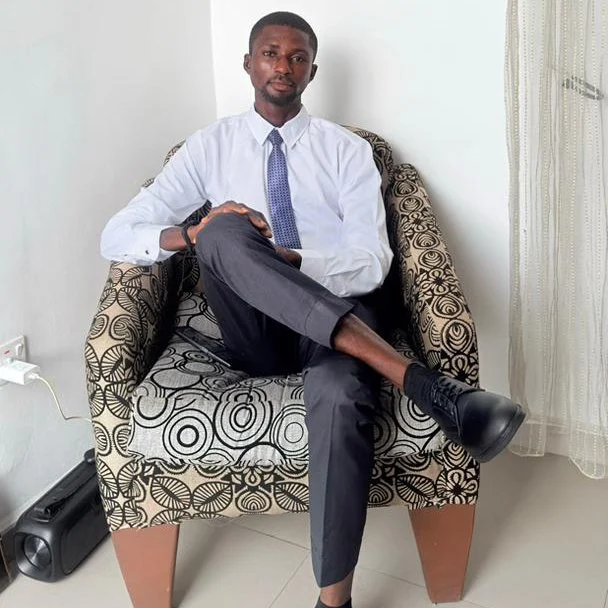

Living and working around Ikeja, I’ve learned that debt doesn’t always look desperate. Most times, it looks polished. It wears clean shirts, drives decent cars, shows up early to work, and posts weekend outings online. From the outside, life looks settled. From the inside, many professionals are quietly drowning.
I saw it first in conversations that slipped out accidentally jokes about salary never lasting, nervous laughter when rent increases came up, sudden mood changes around payday. People in Ikeja rarely admit they’re struggling because the environment rewards appearances. You’re expected to look like you’ve “arrived.” So even when money is tight, the lifestyle doesn’t slow down. You still eat out after work, still renew gym memberships you barely use, still maintain a car you can’t park for free. Cutting back feels like failure.
What makes it worse is how easy access to credit blends into daily life. Salary advances, buy-now-pay-later gadgets, cooperative loans, quiet borrowing between colleagues none of it feels dangerous at first. It feels smart. Responsible. Temporary. But those “small” deductions begin to stack up. Before long, half a salary is already spent before it lands, yet the lifestyle stays the same because no one wants to look like they’re falling behind.
Ikeja also blurs the line between necessity and pressure. Networking events, office birthdays, weddings, baby showers there’s always something to contribute to. Saying no feels awkward, especially when your peers seem comfortable. So you swipe, borrow, promise yourself next month will be better. Meanwhile, the anxiety grows. You’re always calculating, always rearranging payments, always hoping nothing unexpected happens.
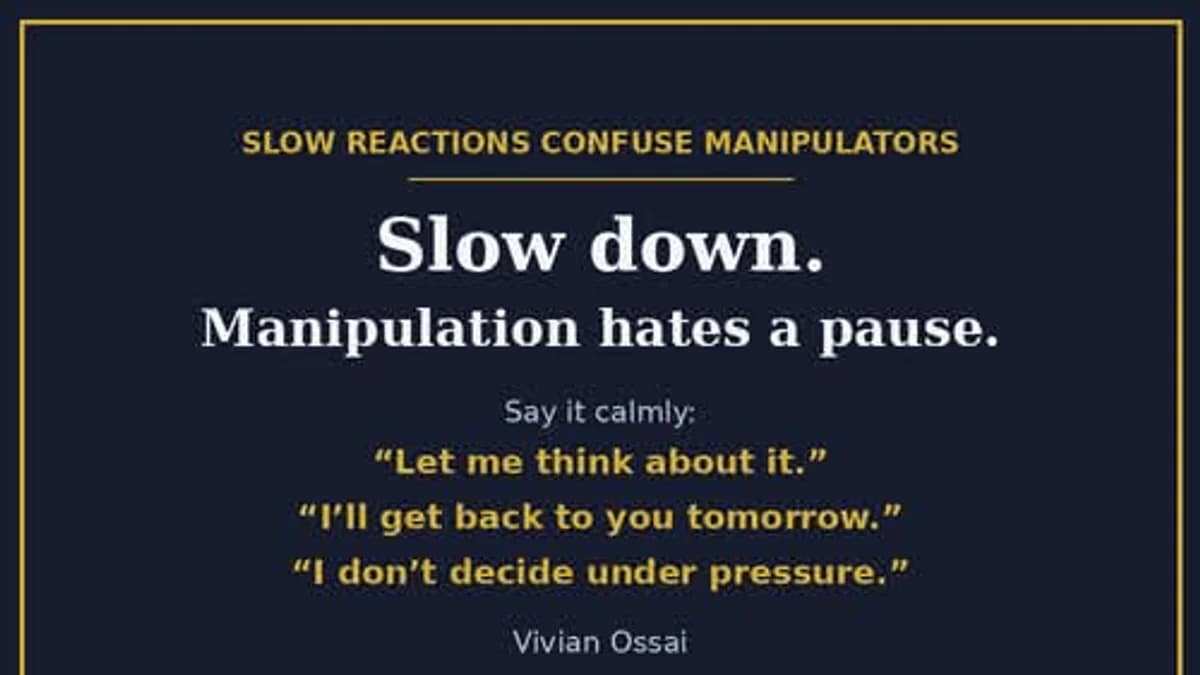
What shocked me most was how lonely the debt is. Professionals here rarely talk about it honestly. Everyone assumes they’re the only one struggling, so they keep quiet. You’ll see people dressed well at work, then hear them complain privately about sleepless nights, constant calls, or fear of opening banking apps. The “good life” becomes a mask one that’s heavy to carry.
Over time, I realized the real cost isn’t just financial. It’s mental. Living like this means constantly performing stability while managing chaos. It means postponing rest, avoiding long-term planning, and measuring self-worth by how well you hide stress. Ikeja moves fast, and slowing down feels risky but pretending everything is fine is even riskier.
Watching this unfold around me changed how I see success. In Ikeja, many people aren’t poor they’re overextended. Trapped between income that looks good on paper and expectations that quietly bleed them dry. And until we start being honest about that gap, the “good life” will keep costing more than it gives.