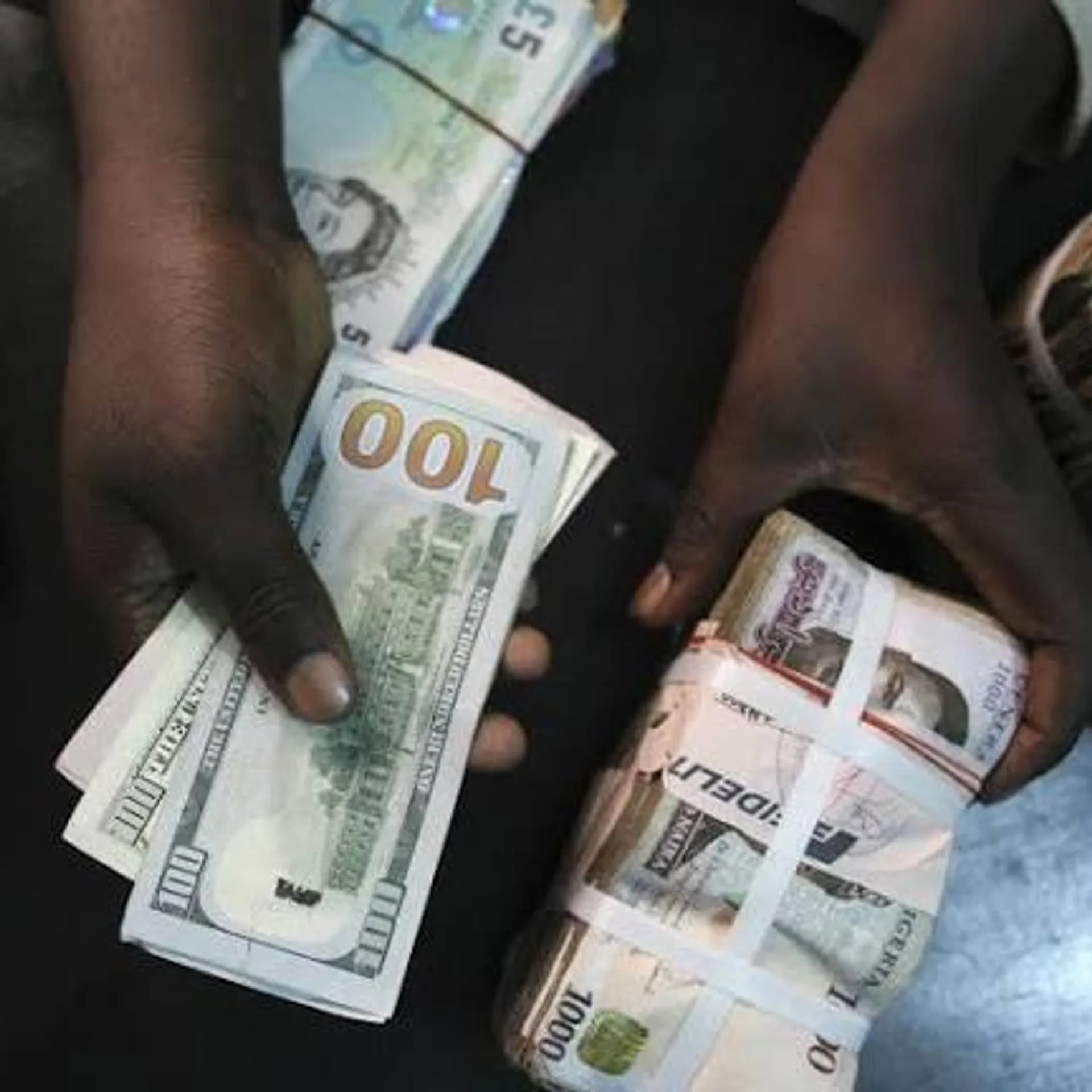
If you checked the exchange rate this morning and wondered whether the naira finally caught its breath, here’s the short answer: yes, but only slightly.
As of Tuesday, January 21, 2026, the naira strengthened at Nigeria’s official foreign exchange window, offering a small but notable shift for anyone tracking daily currency movements.
Today’s Naira to Dollar Rate (Official Market)
At the Nigerian Autonomous Foreign Exchange Market (NAFEM), the naira appreciated by 0.06 percent, closing at:
₦1,419.35 per $1
This represents an improvement of 93 kobo compared to the previous day’s rate of ₦1,420.28 per dollar. While the movement is modest, it signals short-term stability rather than continued slide.
How the Naira Performed Against Other Currencies
The naira’s performance today was mixed across major foreign currencies.
British Pound (GBP)
The naira weakened by ₦2.43, closing at:
₦1,908.31 per £1
Euro (EUR)
It also depreciated against the euro, losing ₦13.53 to trade at:
₦1,666.31 per €1
This divergence shows that while the naira gained against the dollar, pressure remains against European currencies.
What About Banks and the Parallel Market?
Exchange rates vary depending on where you check.
GTBank Forex Counter
The dollar sold at ₦1,429 per $1, which is ₦5 weaker than the previous day.
Parallel Market (Black Market)
Rates remained unchanged at around:
₦1,485 per $1
This gap between official and parallel markets continues to reflect demand pressure and limited retail access to official FX.
Why the Naira Strengthened Today
Market analysts attribute the naira’s slight rebound to several factors:
• Stronger foreign inflows supported by higher oil receipts
• Improved participation from foreign portfolio investors
• Increased FX supply from exporters, importers, and non-bank corporates
• Continued intervention and FX management by the Central Bank of Nigeria
Together, these factors helped improve liquidity at the official window, keeping the naira within a relatively stable trading range in the short term.
Global Factors Also Played a Role
The US dollar itself faced pressure internationally. Renewed tensions between the United States and its European allies over Greenland unsettled markets after President Donald Trump reiterated his stance on the issue.
This uncertainty triggered a shift away from the dollar into other safe-haven assets, adding mild external support to emerging market currencies like the naira.