When food or goods become expensive in Nigeria, it is usually not just “scarcity”; it is how the goods are moved from where they were produced to the market.
Most products travel long distances by road, so transport cost is the first driver. When fuel prices increase, moving goods from places like Kano, Benue, or Ogun straight into Lagos markets or other states' markets automatically becomes more expensive, and traders adjust prices immediately.
Road conditions also matter. Bad highways slow down delivery and increase fuel usage, and vehicle damage. That extra cost is added to items like rice, cement, and tomatoes before they reach markets like Mile 12 or Onitsha.
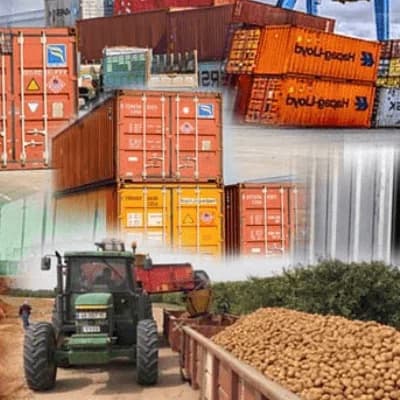
At ports, imported goods face delays from congestion and clearance issues. While goods wait, storage charges keep rising, and importers spread that cost across the final price of electronics, food, and building materials.
Then there is loss and spoilage. Perishable goods without strong cold storage often get damaged during transit. Traders recover these losses by increasing the price of the remaining stock.
So in Nigeria, the market price is not just production cost. It is transport, delays, road conditions, and losses all combined before the goods even reach the seller.