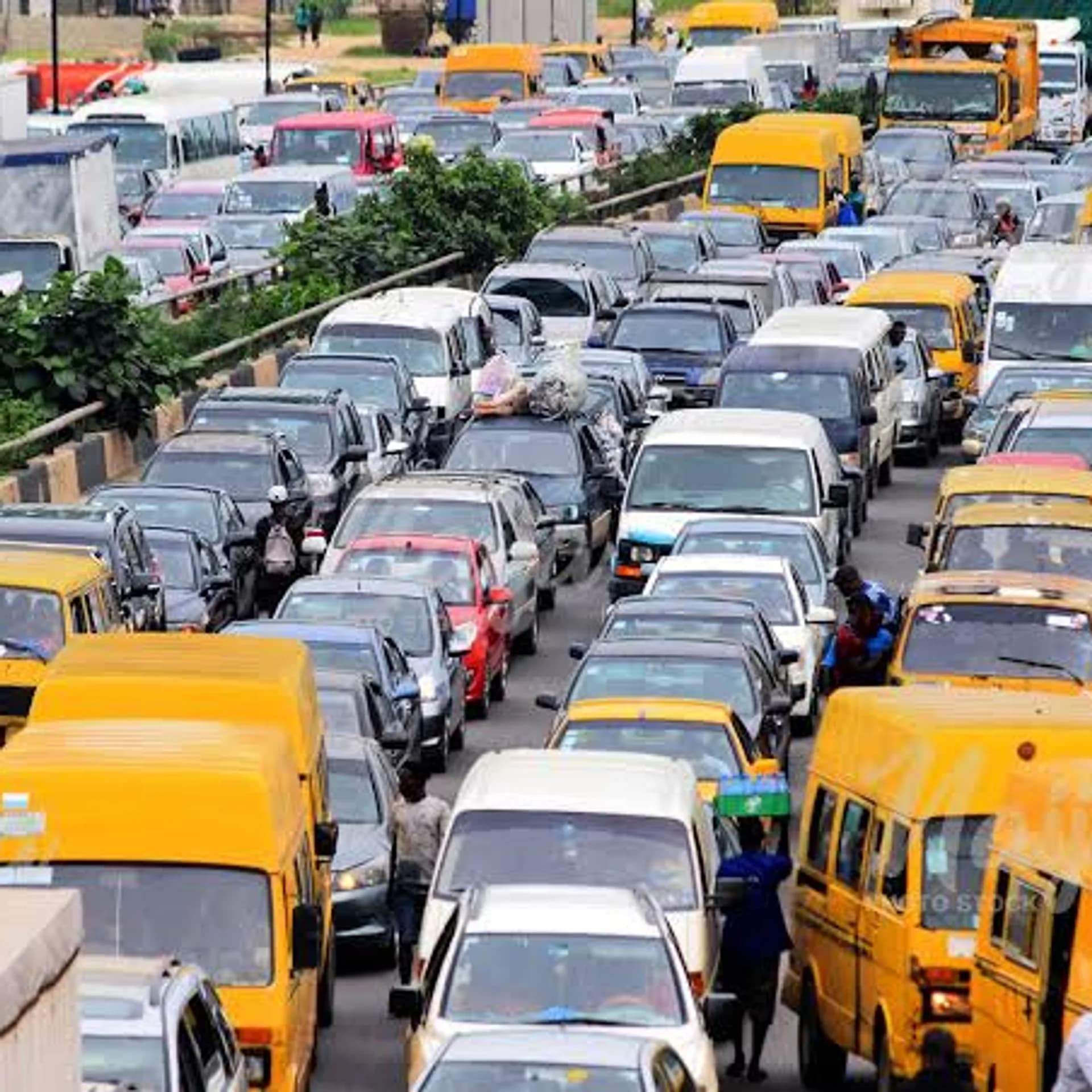
If you’ve ever spent two hours inching along Third Mainland Bridge at 7 a.m., you know the feeling; shoulders tense, heartbeat up, and mind drifting between frustration and resignation. In Lagos, the traffic itself feels like a force of nature that tests patience, mood, and even physical health.
Studies show that traffic congestion in Lagos isn’t just inconvenient — it affects mood, anxiety, and behaviour. Researchers found that long commutes were associated with increased anxiety, restlessness, fatigue, headache and mood disturbances among commuters at main bus stops such as Oshodi and Ojuelegba.
This article breaks down practical ways Lagos residents cope, from mindset adjustments and habits they adopt every day, to real tools and resources for reducing stress on the road.
Why Lagos Traffic Causes Anxiety
Traffic in Lagos is unpredictable. A normal 30-minute commute can turn into hours because of roadworks, accidents, flooding, or even minor accidents that aren’t cleared quickly. This unpredictability plays havoc with people’s sense of control, which is a key driver of stress and anxiety.
On top of that, physical strain — prolonged sitting, honking, heat, and air pollution — adds to the psychological toll, which experts link with increased cortisol (the stress hormone), irritability, and reduced focus.
Strategies Lagosians Use to Cope With Traffic Anxiety
1. Plan Ahead and Use Real-Time Traffic Tools
Nothing reduces anxiety like knowing what to expect. Lagos drivers and commuters heavily rely on tools that give real-time traffic updates:
• Google Maps — For live route alternatives.
• Waze — Community-driven alerts about slow zones or hazards.
• GidiTraffic (via Twitter/X) — Frequent detailed traffic reports by locals reporting real conditions.
• Lagos Traffic Radio (96.1 FM) — Official broadcast updates on jams and closures.
Using these tools helps commuters avoid surprises, which is essential since uncertainty amplifies stress.
2. Adjust Travel Times to Beat the Worst Congestion
A simple but effective move is shifting when you travel. Many Lagosians leave home much earlier (as early as 5:00 a.m.) or later (after evening rush) to avoid peak gridlocks.
Avoiding known peak hours — typically 6 a.m. to 10 a.m. and 4 p.m. to 8 p.m. — helps reduce time spent in traffic and gives a sense of control over your routine.
3. Use Alternative Modes of Transport
Depending on your route, using public transport or other modes can reduce stress by removing the burden of driving:
• Lagos BRT (bus rapid transit) — Has dedicated lanes and often beats general traffic.
• Motorcycles (okada) and bikes — For short distances through congested spots.
• Train or water transport (where accessible) — Offers alternative paths out of gridlock.
Letting someone else deal with the wheel can significantly lower anxiety.
4. Make the Commute Productive or Positive
Turning the frustration into something meaningful or enjoyable helps distract the mind from stress:
• Listening to audiobooks, podcasts, or light music transforms traffic time into learning or relaxation.
• Some commuters use the time to plan their day, reply to messages offline, or journal.
• Others practise deep breathing exercises or simple mindfulness in their seats to reduce tension.
These habits help redirect the brain’s focus from frustration to something constructive.
5. Develop a Commuter Routine for Mental Health
Routines can anchor your mind when everything else feels chaotic:
• Pack water and healthy snacks so your body doesn’t get hangry or dehydrated.
• Wear comfortable clothes to reduce physical discomfort.
• Stretch or change posture while waiting at stoplights to reduce stiffness.
Feeling physically in control can soften mental strain.
6. Community Coping and Shared Experience
Part of managing anxiety comes from knowing you’re not alone. Stories from commuters reveal that shared frustrations and humour — like chatting with fellow passengers on a long bus ride — can ease tension and even build camaraderie.
Cultural humour and collective patience are part of how many Lagosians contextualize the stress, turning a draining experience into a story or anecdote to laugh about later.
Long-Term Hacks That Reduce Anxiety
Work Arrangement Changes
• Hybrid or remote work where possible reduces the number of daily trips, cutting stress and freeing up life balance.
• Employers increasingly acknowledge the mental toll of long commutes and allow flexible schedules.
Community Solutions
Residents and groups have begun adopting carpool networks, bike-sharing programs, and “walk-to-work” days to reduce traffic and stress on shared routes.
When Traffic Stress Becomes Serious
The sedentary and unpredictable nature of Lagos traffic can contribute to heightened anxiety and mood disturbances over time. Researchers link chronic traffic exposure to irritability, anger, and even behavioral withdrawals among commuters.
If you find anxiety across days or weeks, consider:
• Consulting a mental health professional
• Trying structured mindfulness or cognitive behavioural exercises
• Setting a commute plan that limits exposure where possible
Helpful Resources for Lagos Commuters
• Google Maps (Navigation + traffic info): https://maps.google.com
• Waze (Community traffic alerts): https://www.waze.com
• GidiTraffic (Live reports): Search “GidiTraffic” on X (formerly Twitter)
• Lagos Traffic Radio 96.1 FM (updates): Search for “Lagos Traffic Radio 96.1 FM” online
Lagos traffic isn’t just a daily nuisance, It’s a shared lived experience with real psychological impact. But Lagosians have become resilient, adopting a mix of planning, tech tools, physical routines and mindset shifts to manage anxiety on the road.
The key isn’t just avoiding traffic, it’s learning to navigate it in ways that keep your mind calm and your day productive. With the right mix of preparation, positive habits and thoughtful planning, the daily commute becomes less of a mental burden and more of a manageable routine.