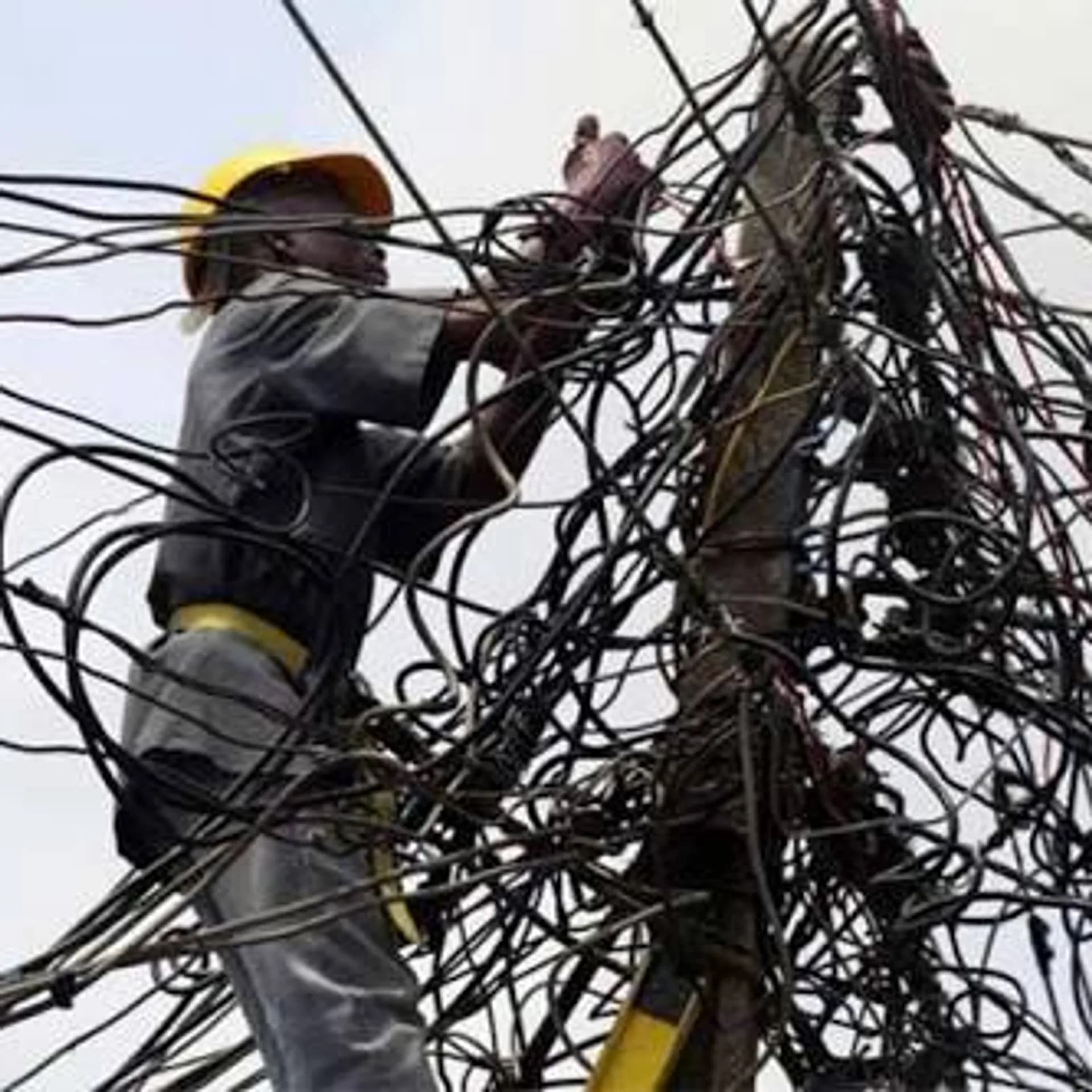
Electricity bills in Nigeria can feel like punishment, especially when the light isn’t even stable. I got tired of paying so much and still relying on generators, so I started paying attention to what actually drives my bill up. These are the things that genuinely helped me cut costs.
First, I became intentional about appliances. Anything that generates heat eats light. Iron, electric kettle, water heater, microwave. I stopped using them carelessly. Now, I iron in bulk, boil water once, and unplug everything immediately I’m done. Small habits that make a big difference.
Next was my fridge. I used to open it every five minutes like it was a wardrobe. Once I stopped that and reduced overloading, my consumption dropped. Also, setting it to the right temperature matters more than people think.
Then there’s lighting. I switched everything to energy-saving bulbs. It felt like a small change, but my bill said thank you. I also stopped leaving lights on “just in case NEPA takes light”. If nobody is in the room, the light is off.
I also learned to track my usage. If you’re on prepaid, check how fast units are dropping. If you’re on postpaid, review your bill properly. Sometimes, you’re paying for estimated madness. Question it.
Lastly, I stopped fighting reality. Power in Nigeria is unstable, so I plan around it. I charge devices when there’s light, reduce generator usage, and avoid running heavy appliances at the same time.
Saving money on electricity here isn’t about suffering. It’s about being smarter with how and when you use power. Over time, it adds up.