The first time I ordered from Jumia, I was excited like a child. I tracked the package every hour, only for something completely different to show up. Since then, I’ve learned the hard way. I still order from Jumia, but I do it with sense now. Here’s what has helped me avoid stories that touch.
First, I don’t buy from just any seller. I always check the seller rating and reviews, not just the stars, but the actual comments. If people are complaining about fake items, wrong deliveries, or poor returns, I move on. No discount is worth stress.
Second, I look closely at the product photos and description. If the pictures look too polished or copied from somewhere else, I’m already suspicious. I also read the description line by line because some sellers hide important details there. If it says “similar to” or “inspired by,” just know it’s not the original.
Third, I always choose to pay on delivery. Being able to inspect the item before paying has saved me more than once.
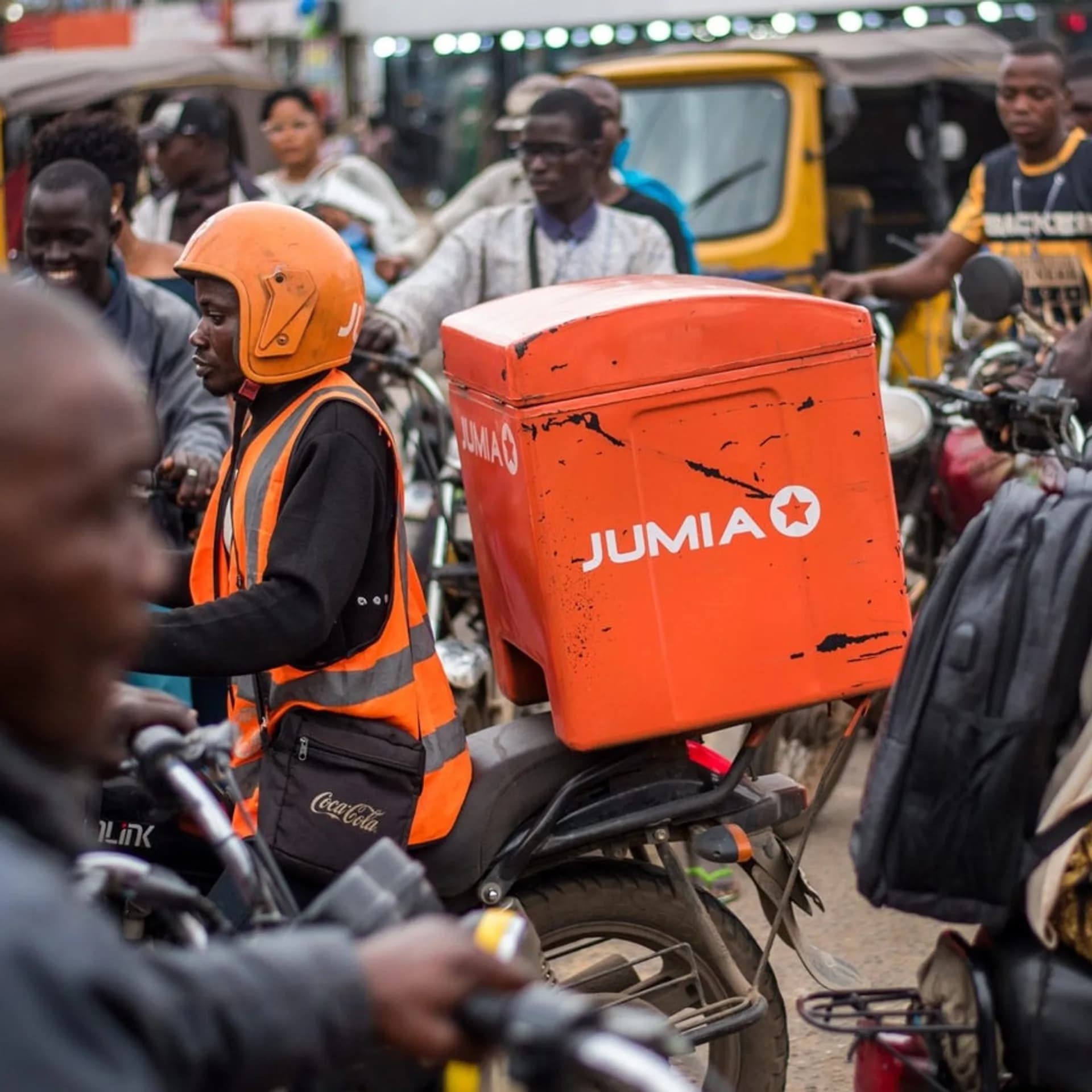
Another thing I do is check who handles delivery. I prefer items fulfilled by Jumia directly, not third-party shipping. They tend to be faster, and returns are less dramatic.
Once the item arrives, I open it immediately. I don’t care who is looking at me. I check everything before the delivery person leaves. If something is wrong, I reject it on the spot. Don’t take it inside your house first. That’s how problems start.
Lastly, I respect my instincts. If a deal feels too good, it probably is. Cheap doesn’t always mean value, especially online.
Jumia isn’t perfect, but it’s not a scam by default. You just need to order like someone that lives in Nigeria and has seen things.
If you’ve ever had a Jumia horror story, you’re not alone. But once you learn the rules, online shopping becomes less scary and more convenient.