
Living in Ikeja taught me that borrowing isn’t always about emergencies most times, it’s about pressure. Pressure to keep up, to look stable, to never be the one who can’t afford something. For a long time, I didn’t even realize how often I said yes to borrowing until I noticed how little control I had over my own money.
At first, borrowing felt harmless. A small top-up before payday. A cooperative loan because “everyone does it.” A colleague asking me to stand in for them with the promise of quick repayment. In Ikeja, these things are normal, almost expected. You’re earning, so people assume you can handle it. I told myself it was temporary, that things would balance out. Instead, my salary became a transit account money came in and left before I could breathe.
The turning point wasn’t one big problem, but the constant mental fatigue. I was always calculating who I owed, who might ask next, which deduction was coming this month. I avoided certain calls, delayed checking my account, and planned my life around repayments instead of priorities. Even when I was earning “well,” I felt broke all the time. That contradiction forced me to look honestly at my habits.
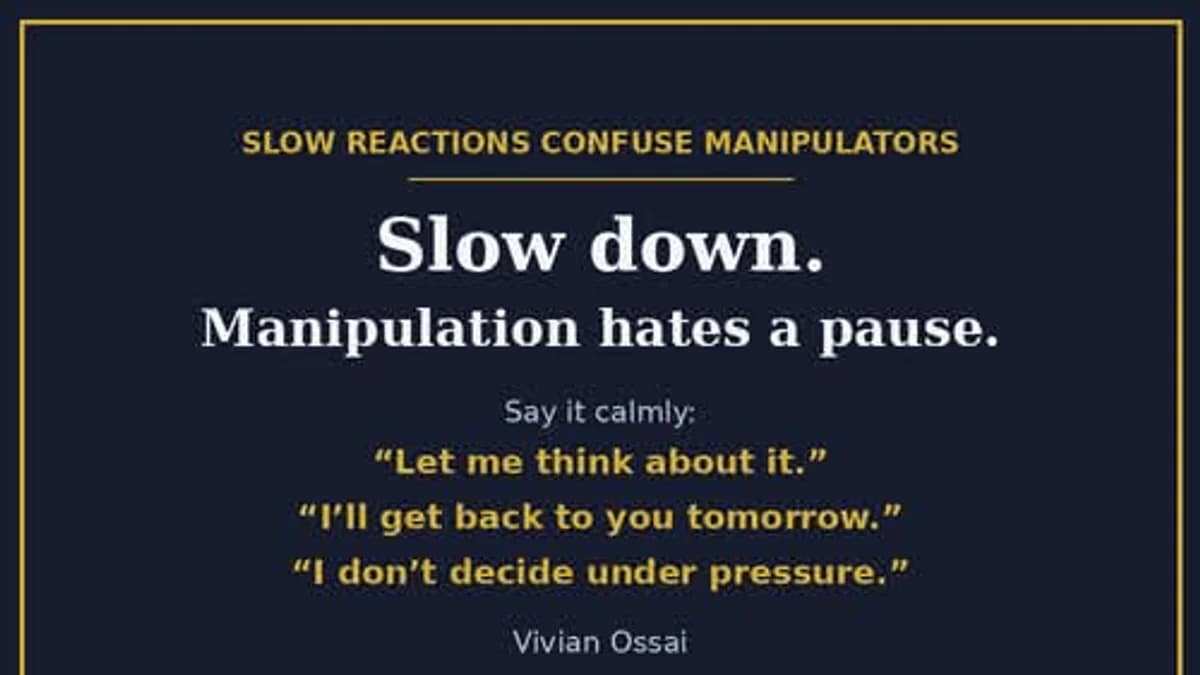
Saying no didn’t come naturally. In Ikeja, refusal can be misinterpreted as pride, selfishness, or struggle. The first few times I said I couldn’t lend or borrow, I over-explained myself. I felt guilty, like I was breaking some unspoken professional code. But over time, I learned that every borrowed naira came with invisible weight anxiety, expectations, and loss of flexibility.
What helped was redefining what responsibility meant to me. I realized that protecting my peace was more important than maintaining an image. I started budgeting for discomfort skipping outings, delaying upgrades, choosing quiet weekends over expensive plans. When borrowing requests came, I responded calmly and simply. No stories. No apologies. Just honesty. Some people stopped asking. A few misunderstood. But my mind became lighter.
I also learned to sit with scarcity without panicking. Not every gap needs to be filled with borrowed money. Sometimes waiting, adjusting, or doing without is the smarter option. Once I stopped seeing borrowing as a solution and started seeing it as a last resort, my relationship with money changed.
Today, living in Ikeja still comes with pressure, but I meet it differently. Saying no didn’t make my life smaller — it made it clearer. I know what my money is for, and more importantly, what it’s not for. Borrowing used to feel like survival. Now, restraint feels like freedom.