
Living in Yaba taught me many things ambition, speed, and how easy it is to fall into financial traps that look harmless at first. Surrounded by tech hubs, startups, side hustles, and people who always seemed to be “almost successful,” I felt constant pressure to keep up. Everyone was building something, upgrading something, or investing in something. I didn’t want to be the one falling behind.
That’s how loan apps entered my life quietly and convincingly.
At first, they felt like help. A few taps, no paperwork, instant cash. I told myself it was temporary: to cover transport, data subscriptions, small emergencies, or to bridge the gap before the next opportunity paid off. The apps spoke the language of Yaba fast, smart, efficient. But what they didn’t advertise clearly was the mental weight that came with them.
Soon, repayment dates started controlling my thoughts. I would calculate time in weeks, not days. Every notification made my heart race. I noticed how interest quietly inflated the amount I owed, how one loan led to another just to stay afloat. I wasn’t reckless I was hopeful. And hope, I learned, can be expensive.
Living in Yaba made it harder to slow down. You’re surrounded by people doing well or at least appearing to. It made my struggles feel like a personal failure. I didn’t talk about the loans. I carried them silently, convincing myself I’d fix everything once I “made it.” But the truth was, the loans were eating into every small win I had. Progress felt fake when repayment came first.
The turning point wasn’t dramatic it was exhaustion. I got tired of rearranging money that wasn’t growing, tired of anxiety dictating my decisions, tired of owing faceless apps that didn’t care about context. I realized I wasn’t building anything solid; I was just surviving on borrowed time.
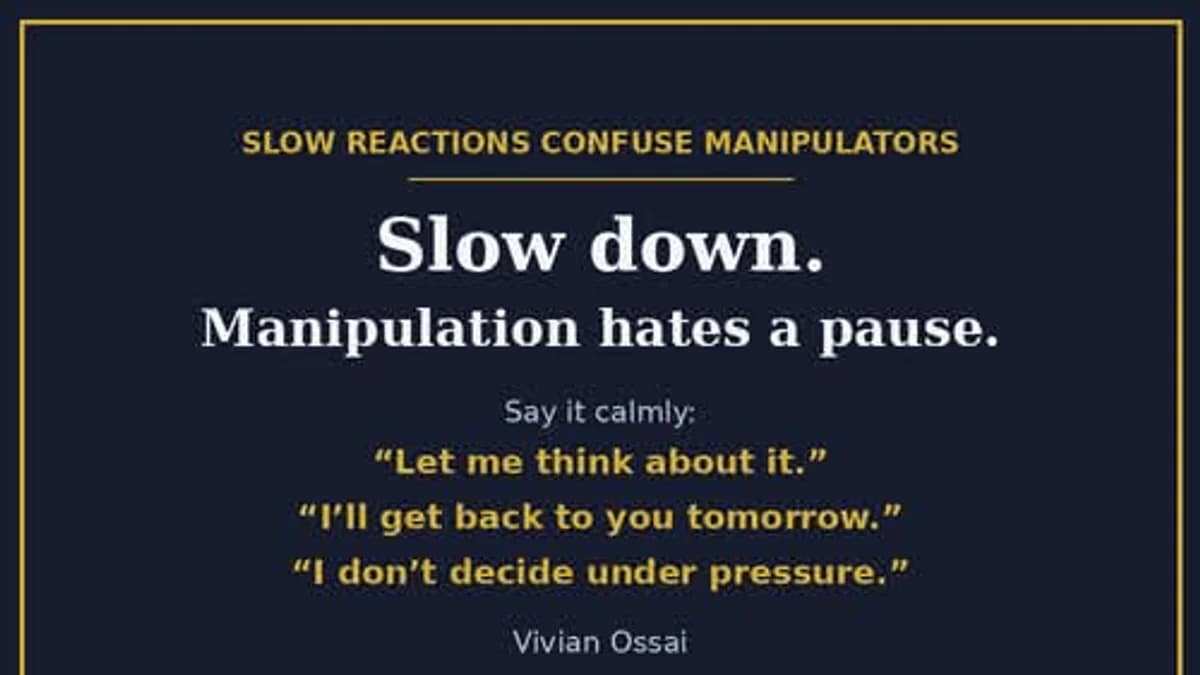
Escaping loan apps meant making uncomfortable changes. I downsized my lifestyle, cut unnecessary expenses, and stopped trying to match Yaba’s pace. I learned to wait for payments, for opportunities, for growth. Waiting felt like failure at first, but it slowly became freedom. I tracked every naira, prioritized clearing debts one by one, and refused new loans no matter how tempting the “quick fix” looked.
What helped most was honesty with myself and with a few trusted people. Once I said it out loud, the shame lost some of its power. I wasn’t irresponsible; I was navigating a system designed to profit from urgency.
Leaving loan apps behind didn’t make life easy overnight, but it gave me control again. Today, when I think about Yaba, I still respect its energy and ambition but I also understand its pressure. Escaping loan apps wasn’t just about money; it was about reclaiming peace, patience, and the confidence to grow at my own pace.
Yaba taught me how fast life can move. Escaping loan apps taught me when to slow down.