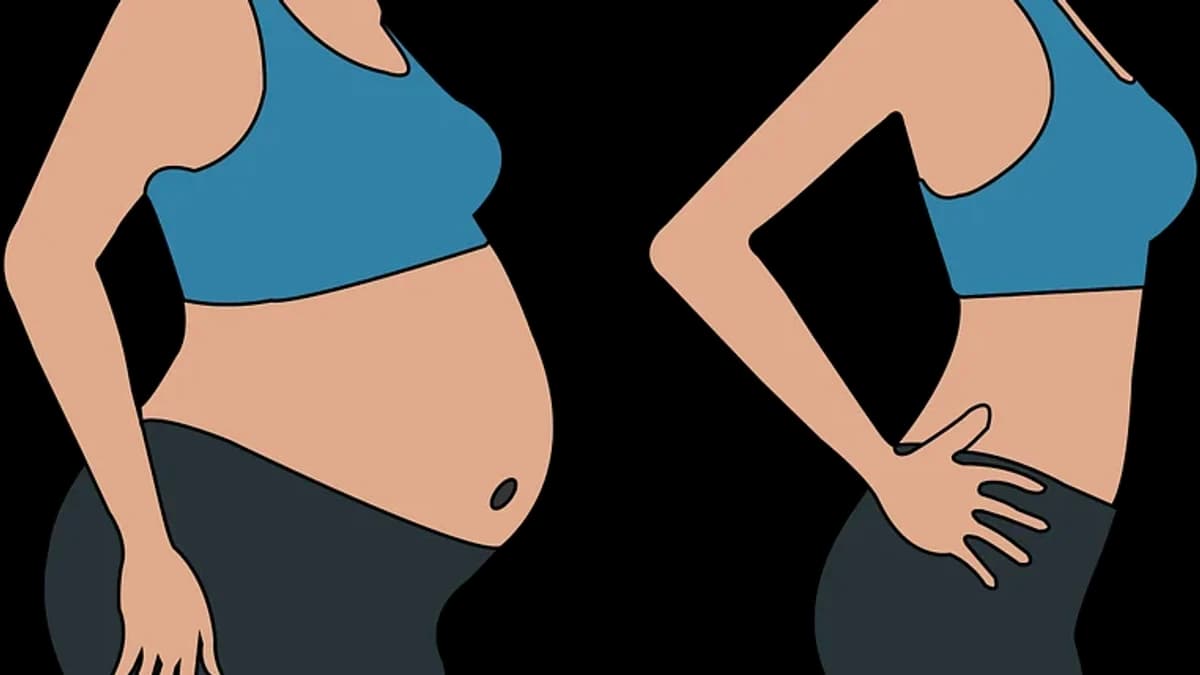
“Trying to lose weight? Please stop starving yourself. Your goal should not be to eat as little as possible it should be to eat better, consistently.”
Losing weight does not require you to completely stop eating rice, swallow, yam, garri or other Nigerian foods.
What matters is creating a sustainable calorie deficit while still giving your body enough protein, fibre, vitamins and minerals.
Here are practical ways to lose weight healthily:
1. Reduce your portion — not necessarily your favourite food
You can still eat rice, eba, amala, pounded yam, semo, tuwo or other staples. The key is the quantity and what you eat with them.
For example:
Rice + beans + fish + vegetables can be a more balanced meal than a very large plate of rice alone.
2. Add more vegetables
Vegetables can make your meals more filling without adding a lot of calories.
Try ugu, ewedu, okra, spinach, cabbage, cucumber, carrots, garden eggs, waterleaf and other vegetables available around you.
3. Eat enough protein
Protein can help you stay satisfied and maintain muscle while losing weight.
Good options include:
Eggs
Fish (scaly fish is very healthy and good oil for the heart)
Chicken (skinless chicken because of fat)
Beans
Moi-moi (Ekuru)
Soybeans
Lean meat (Goat meat etc)
Unsweetened yoghurt (Greek yoghurt best choice)
Groundnuts and other nuts in moderate portions
4. Be careful with liquid calories
You may be eating reasonably but drinking a lot of extra calories without noticing.
Limit frequent intake of:
Soft drinks
Sweetened juices
Energy drinks
Sugary malt drinks
Sweetened tea and coffee
Large amounts of alcohol
Water should be your main drink most of the time.
5. Don't fear carbohydrates
Carbohydrates are not automatically responsible for weight gain.
Rice, yam, potatoes, plantain, maize, oats and other carbohydrate foods can be part of a healthy weight-loss diet.
The important things are portion size, preparation method and what you combine them with.
6. Reduce frequent fried and highly processed foods
You don't have to completely ban them, but eating them frequently can make weight management more difficult.
Examples include:
Puff-puff
Chin chin
Doughnuts
Fried yam
Fried plantain
French fries
Biscuits
Meat pies
Sausage rolls
Sugary snacks
7. Move your body
You don't need an expensive gym membership to start.
Walking, dancing, cycling, jogging, climbing stairs and home exercises can all contribute to physical activity.
Start with something you can maintain.
8. Don't use crash diets
If a diet promises extremely rapid weight loss by making you survive on very little food, be careful.
A diet that you cannot maintain is unlikely to produce lasting results.
9. Sleep and stress matter too
Poor sleep and chronic stress can make healthy eating and weight management more difficult.
Aim for adequate sleep and find healthy ways to manage stress.
10.Focus on progress, not perfection
You don't need to eat perfectly every day.
One large meal will not suddenly make you gain significant body fat, just as one healthy meal will not suddenly make you lose weight.
Your overall pattern matters.
A simple Nigerian weight-loss plate can look like:
½ plate vegetables
¼ plate protein
¼ plate carbohydrate
For example:
Rice + beans + grilled fish + vegetables
Boiled yam + egg sauce + vegetables
Amala + ewedu + protein + moderate portion of gbegiri
Tuwo + miyan kuka + fish + vegetables
Boiled plantain + beans + fish + vegetables
Oats + milk/yoghurt + egg + fruit
The goal is not to stop eating Nigerian food.
The goal is to learn how to eat it in portions and combinations that support your health.
And remember: weight loss is not appropriate or necessary for everyone. If you have a medical condition, are pregnant or breastfeeding, have a history of an eating disorder, or are experiencing unexplained weight changes, speak with an appropriate healthcare professional before starting a weight-loss plan.
What Nigerian food do you think people struggle most to include in a weight-loss diet?