1. What is cloud accounting?
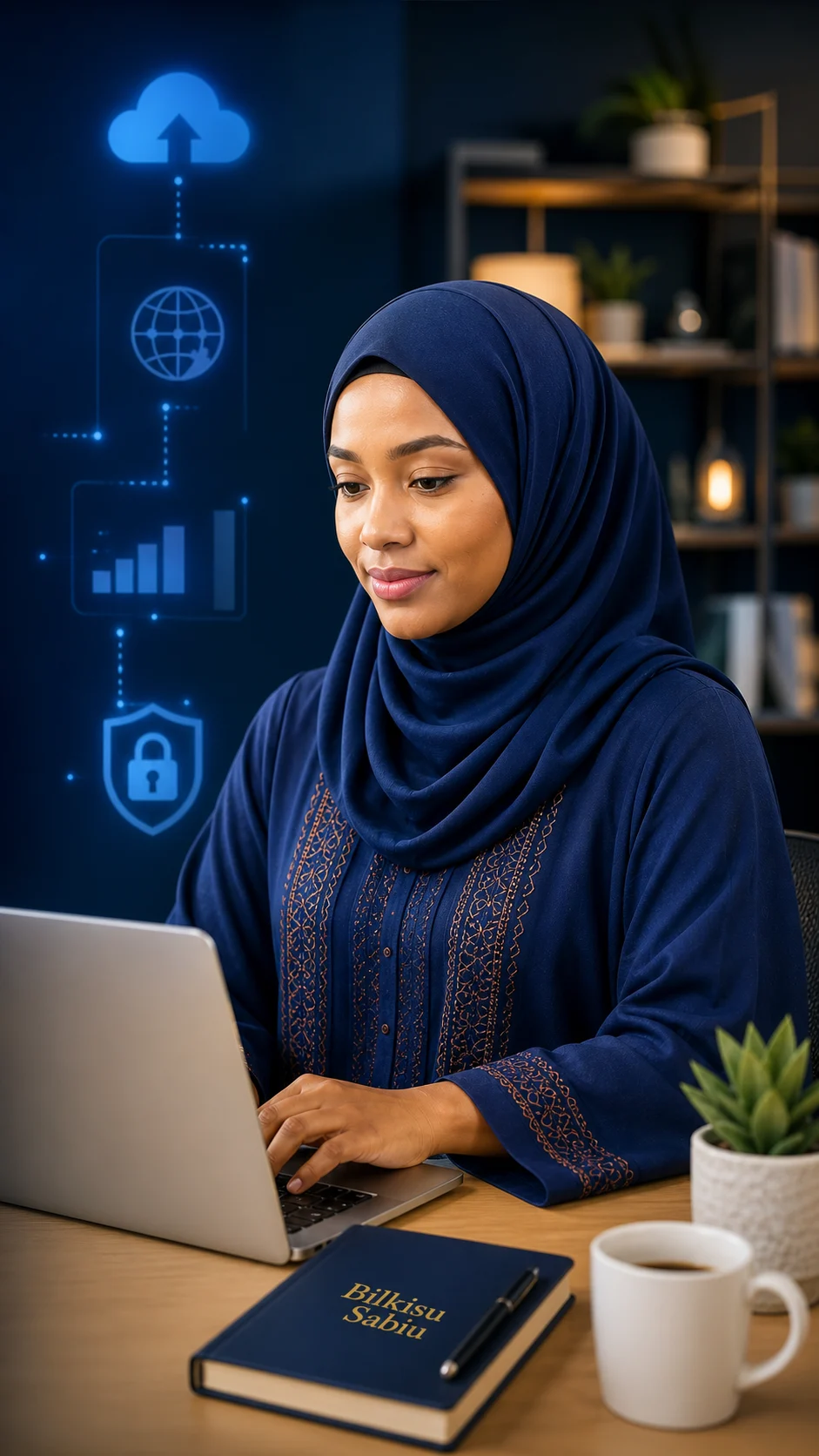
- Cloud accounting is a type of accounting that utilizes cloud-based software to manage financial data and processes online. This allows users to access their accounts from anywhere with an internet connection, facilitating real-time collaboration and data management.
2. Is cloud accounting secure?
- Yes, reputable cloud accounting providers implement high-level encryption, secure data centers, and regular security audits to protect sensitive financial information. However, it is essential for businesses to choose a trustworthy provider and practice good cybersecurity measures.
3. Do I need to be tech-savvy to use cloud accounting?
- Not necessarily. Most cloud accounting software is designed to be user-friendly, with intuitive interfaces and helpful tutorials.
4. Will I lose access to my data if the internet goes down?
- While cloud accounting relies on internet connectivity, most providers have offline capabilities that allow users to continue working and sync data once the internet is restored. Regular backups are also performed to safeguard against data loss.
5. Is cloud accounting more expensive than traditional accounting?
- Cloud accounting generally offers lower upfront costs, as it is often subscription-based. While ongoing costs can vary, many businesses find that the overall expense can be lower than maintaining traditional accounting systems, especially when considering the savings on infrastructure and maintenance.
6. Can cloud accounting integrate with other software?
- Yes, many cloud accounting platforms offer integration with other business applications (e.g., CRM systems, payroll software) to streamline processes and enhance efficiency. This integration capability is one of the key advantages of cloud solutions.
7. Is cloud accounting suitable for all businesses?
- While cloud accounting can benefit businesses of all sizes, its suitability depends on the specific needs and preferences of each organization. Small to medium-sized businesses often find it particularly advantageous due to its flexibility and scalability.
8. Can I access my financial data on mobile devices?
- Yes, most cloud accounting software is optimized for mobile use, allowing you to access your financial information, generate reports, and perform transactions from smartphones and tablets.
9. What happens to my data if I switch providers?
- Reputable cloud accounting providers typically offer data migration services to help you transfer your financial information to a new platform. It is essential to ensure that your new provider can accommodate this transfer smoothly.
Conclusion
Understanding these frequently asked questions about cloud accounting can help businesses make informed decisions and dispel common misconceptions.