
A Timeline of HIV Symptoms: How Does It Progress?
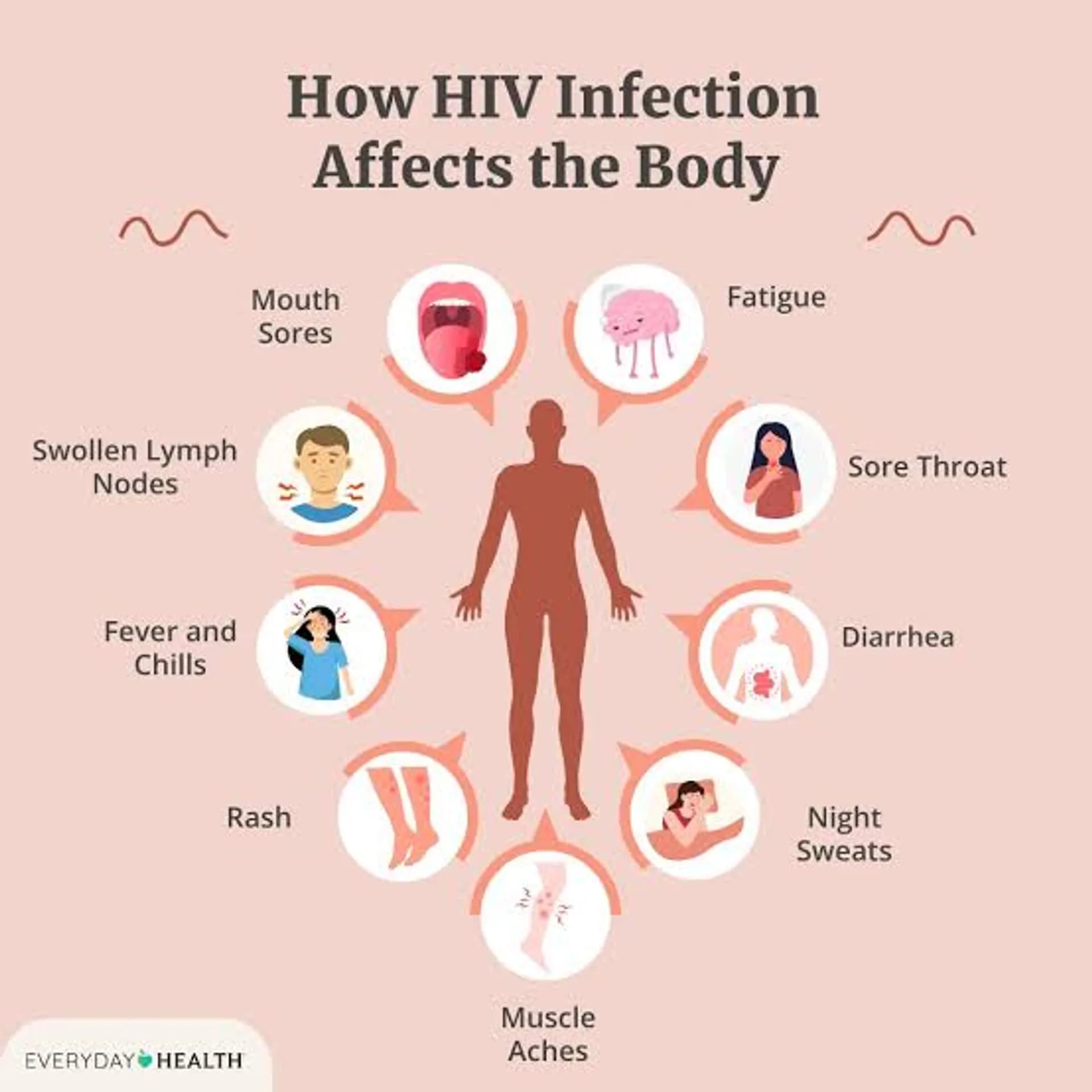
Early HIV signs often appear 2–4 weeks after exposure, resembling a severe flu with fever, swollen lymph nodes, sore throat, rash, and fatigue. While some experience no initial symptoms, others may have mouth sores, muscle aches, or night sweats. Testing is the only way to confirm infection.
Key Stages and Symptoms
Acute Infection (2-4 weeks after exposure): Symptoms are often mild or resemble flu/mononucleosis. Common signs include fever, rash, joint pain, muscle aches, and sore throat.
Clinical Latency (Chronic HIV): The virus multiplies at lower levels, and many people have no symptoms during this stage.
Progression to AIDS: Without treatment, symptoms may include rapid weight loss, extreme fatigue, recurring fever, severe diarrhea, and opportunistic infections.
When to Seek Medical Attention
Testing is Essential: Symptoms alone cannot confirm HIV. If you have had unprotected sex or shared needles, get tested.
Immediate Warning Signs: Seek medical care if you experience, for example, long-lasting swollen glands, unexplained weight loss, or persistent, unexplained rashes.