The Voice on the Phone Could Be a Deepfake: How to Defend Your Bank Accounts from AI-Driven Fraud
Digital finance in Nigeria has reached a tipping point in 2026. While Agentic AI autonomous systems that manage payments and investments has streamlined our lives, it has simultaneously armed cybercriminals with unprecedented tools.
The era of identifying a scam by "broken English" is over. Today, Nigerian bank users face a landscape dominated by hyper-realistic deepfakes and sophisticated hardware hijacking.
Protecting your wealth now requires moving beyond basic passwords and embracing a "zero-trust" digital lifestyle.
Section 1: The New Face of Social Engineering Deepfake Audio
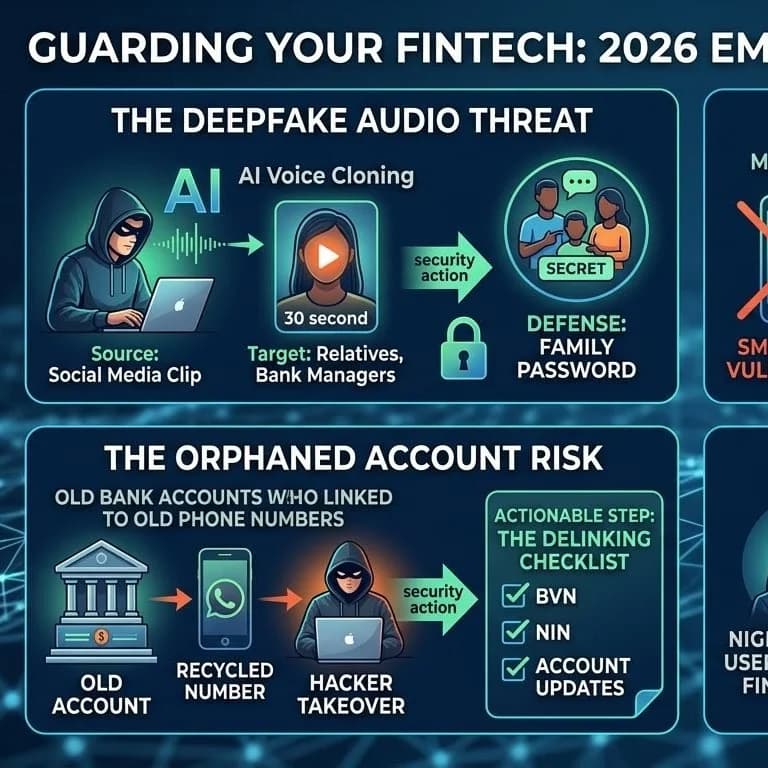
The most predatory development this year is the rise of Deepfake Audio. Scammers no longer need to convince you they are a bank official; they can now sound exactly like one. By scraping a mere 30 seconds of your voice or that of a loved one from social media platforms like TikTok or Instagram, AI can clone a vocal profile with chilling precision.
The Threat: You receive a high-priority call. The caller ID says "Bank" or displays a contact name you recognize. The voice on the other end is indistinguishable from your branch manager or a sibling in distress, requesting an immediate "temporary" transfer to bypass a technical glitch.
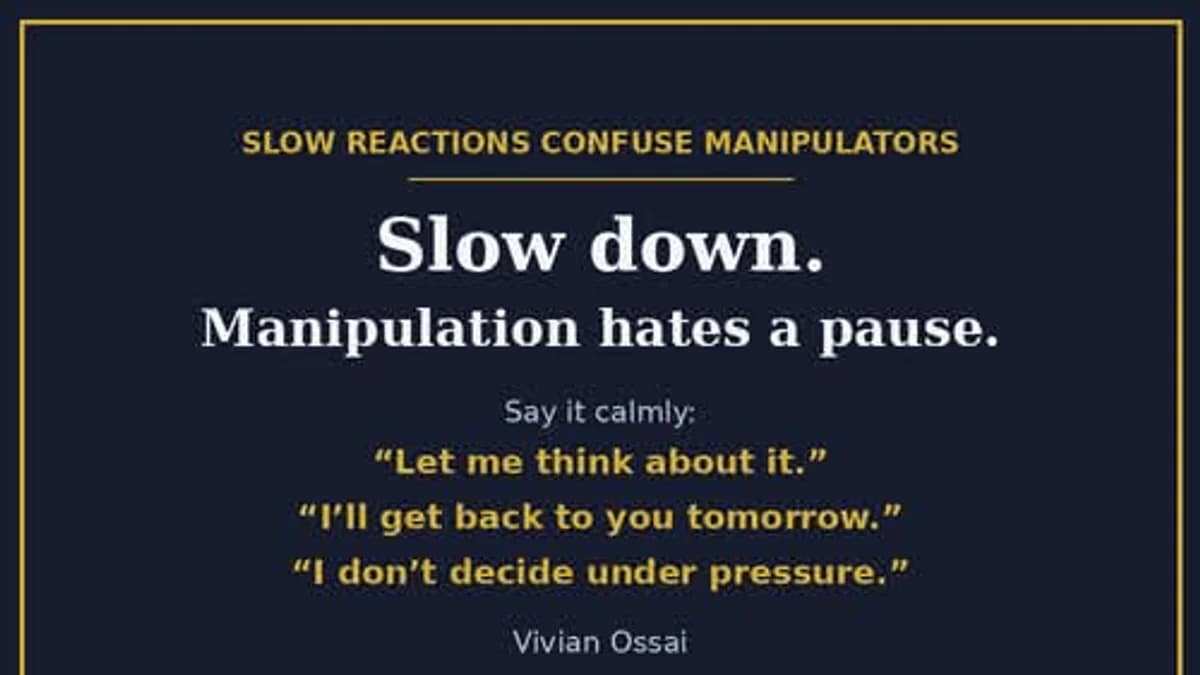
The Defense: The "Family Password" Strategy. Since your ears can now be deceived, you must rely on pre-verified data. Establish a secret passphrase a word or short sentence known only to your immediate circle and trusted contacts. If a caller cannot provide this "Proof of Identity," terminate the call immediately, regardless of how convincing they sound.
Section 2: Securing Your "Digital Life" Beyond 2FA
For years, Short Message Service (SMS) 2-Factor Authentication was the gold standard. In 2026, SMS OTPs are a critical vulnerability. Through professional-grade SIM Swapping, hackers bypass your phone's security by porting your number to a new SIM card. Once they control your "line," they receive your bank's authorization codes, effectively locking you out of your own life.
The Solution: App-Based and Biometric Security
Authenticator Apps: Transition your security to apps like Google Authenticator or Authy. These generate time-sensitive codes locally on your hardware. Unlike SMS, these codes cannot be intercepted through a SIM swap.
Biometric "Proof-of-Life": New CBN-permitted protocols now allow fin techs to require "Proof-of-Life" for high-value transactions. This involves a real-time facial movement scan (blinking or turning the head) to ensure the person authorizing the transfer is a live human and not a static photo or a bot. Ensure this feature is toggled ON in your banking apps.
Section 3: The "Orphaned Account" Risk
A significant portion of financial fraud in Nigeria stems from Orphaned Accounts old bank accounts linked to phone numbers you no longer use. When telecom providers recycle these "dormant" numbers and sell them to new users, a sophisticated hacker can buy your old number and use it to trigger a password reset on accounts you’ve forgotten existed.
Actionable Step: The Digital De-linking Checklist
To prevent a "zombie" account from compromising your BVN, take these steps:
Audit Your BVN Linkages: Visit your bank and request a comprehensive printout of every account tied to your Bank Verification Number.
Scrub Old Data: Formally request the closure of any account you do not actively monitor.
Update Your NIN-SIM Link: Ensure your National Identification Number (NIN) is only associated with your current, active biometric profile. If you lose a SIM card, do not just "buy a new one"; legally block the old one at a service center immediately.
Security is a Lifestyle, Not a Setting
In the fast-moving economy of 2026, staying safe is an active process. Scammers rely on your desire for convenience; your greatest defense is a small amount of intentional friction. By moving away from SMS-dependence and verifying vocal identities with secret passphrases, you place yourself ahead of the curve.
Have you ever received a suspicious call from "your bank" or a voice that sounded like a relative asking for money? Describe the experience below to help others stay vigilant.