
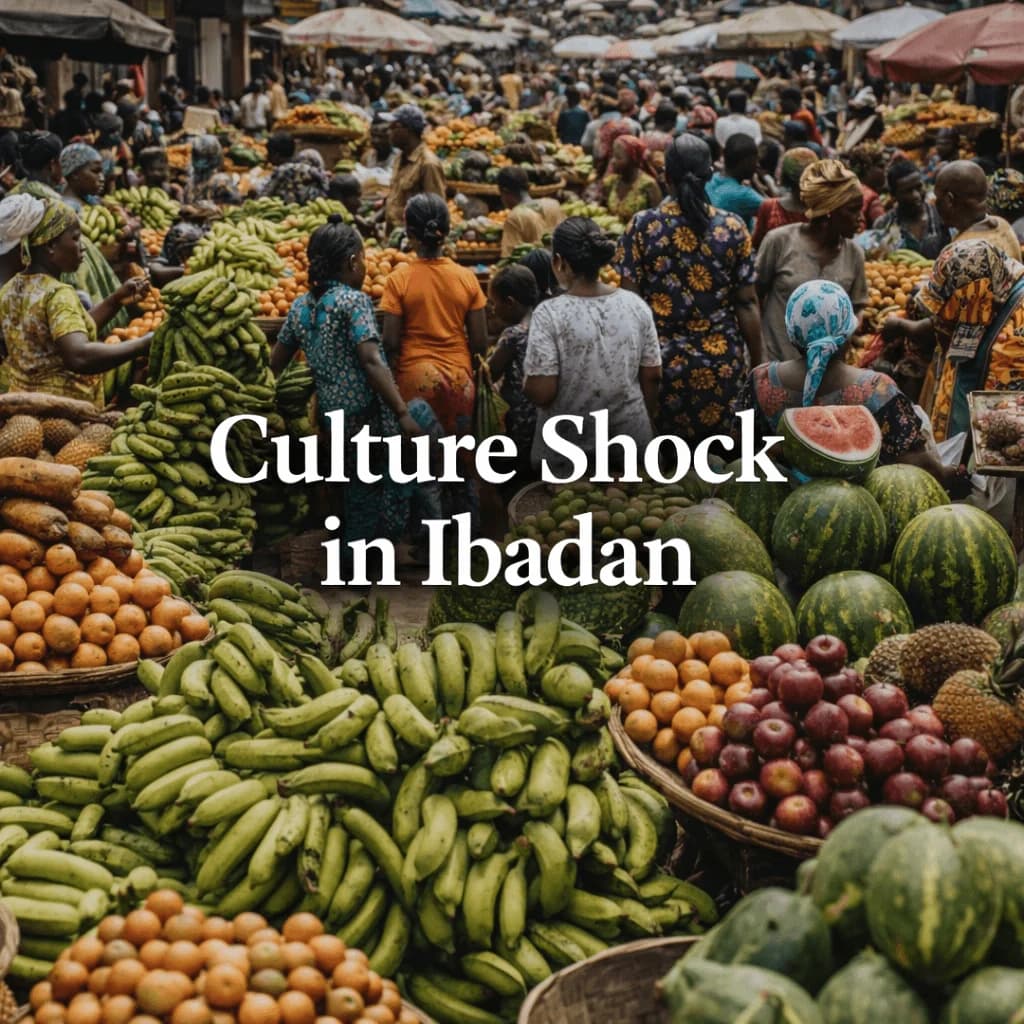
On the 21st of February, 2026, I decided to visit Oje Market in Ibadan, Oyo State. Oje is widely known as a fruit market, and if you are an aspiring fruit seller, that is one place people will confidently recommend. So my sister and I went there armed with one belief, “Plantain is cheap in Oje. You will get it at a good price.”
Reality, however, had other plans. The market women we first encountered were unnecessarily rude. Some barely attended to us, and others ignored us completely. Perhaps it was because we are young ladies, perhaps not. Either way, it was not the warm welcome we expected.
Eventually, we met an older woman who seemed kinder, and the bargaining began. We negotiated for a while, but she refused to shift from her price. Tired and already irritated from earlier encounters, we agreed to pay what she insisted on. We were ready to carry our plantain and leave when she casually said, “There’s something left for us to do.”
Confused, we asked what she meant. She then explained that we needed to pay “owo ọmọ ilé,” which is translated as money for the house children. At that point, we were visibly agitated because it made absolutely no sense to us. We have been going to markets for as long as we can remember, and nowhere had we been told to pay an extra, unofficial fee after concluding a transaction. When we demanded our money back, she refused and instead began suggesting different amounts we could add. A small crowd gathered, and later, when we narrated our experience to others, they told us it was a normal practice in Ibadan.
Yes, just so you know, we didn’t pay! And I will never be a part of such a practice!.
That day, I learned that culture shock does not only happen when you travel abroad. Sometimes, it happens within your own country. What feels strange to you may be normal to someone else, and what feels like entitlement to you may be tradition to them. Still, normal does not always mean reasonable, and some experiences leave you wondering whether adaptation is wisdom or quiet compliance.