You probably grew up seeing ori (shea butter) being used on the body, lips and hair.
But what about the face?
Can you actually use it there?
Yes, you can but it may not be the best choice for everyone.
Shea butter is rich in fats that help soften the skin and reduce moisture loss, which is why it can be useful for people with dry or very dry skin.
It can be especially helpful on areas that tend to become dry, such as the lips, elbows, knees and other rough patches.
But when it comes to your face, things are a little different.
If you have oily or acne-prone skin, you may find shea butter too heavy for your face, especially if you apply a thick layer.
And please don't confuse moisturising with treating acne.
Ori may help moisturise dry skin, but it isn't an acne treatment, and it doesn't “clear” every skin problem.
If you want to try it on your face:
• Start with a small amount rather than applying a thick layer.
• Try it on a small area first and see how your skin responds.
• If you notice irritation, itching or your skin starts breaking out more, stop using it.
• Don't assume that because something is natural, it must automatically be suitable for your skin.
And there's another thing people sometimes forget:
The quality and formulation of the product matter too.
Shea butter products can differ depending on how they're processed and what other ingredients have been added.
So yes, ori can be a good moisturising option for some people's skin, but skincare isn't one-size-fits-all.
Your skin type and how your skin responds should always matter.
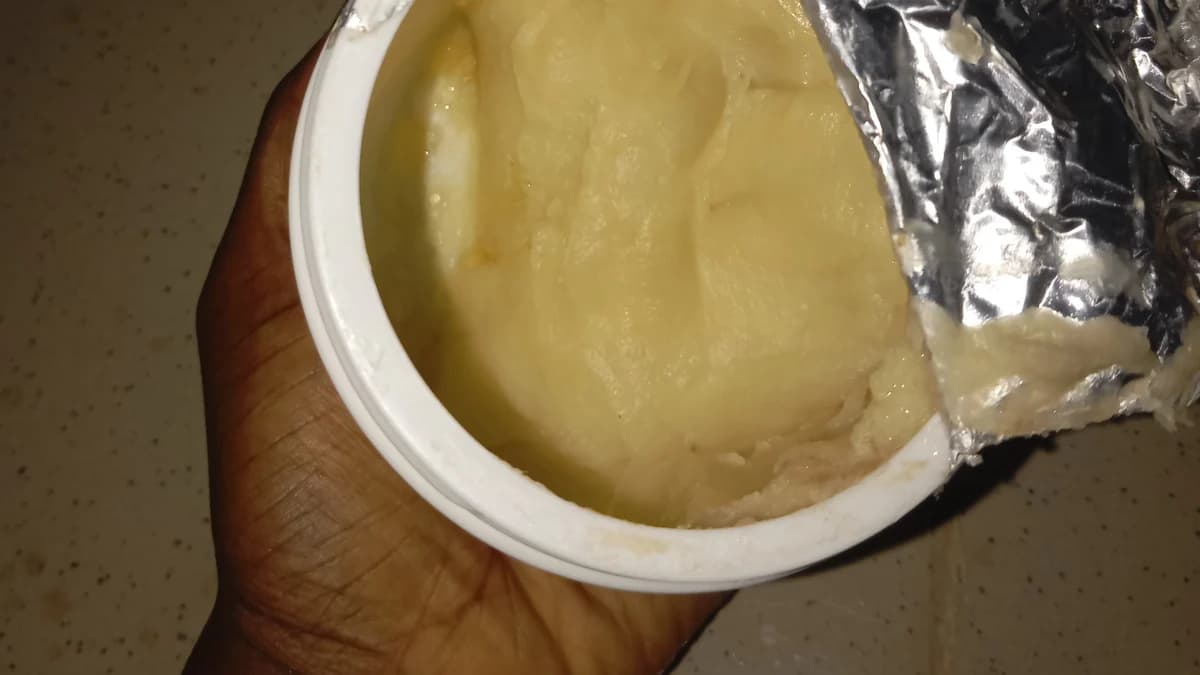
I took this picture of the ori I currently have because it's one of those everyday products we've grown up seeing without always asking what it actually does.
Have you ever used ori on your face before?
Did your skin love it, or did you notice breakouts?
#SheaButter #Ori #SkinHealth #SkincareEducation #NaturalSkincare #HealthySkin #WomensWellnessHub #Feedcover