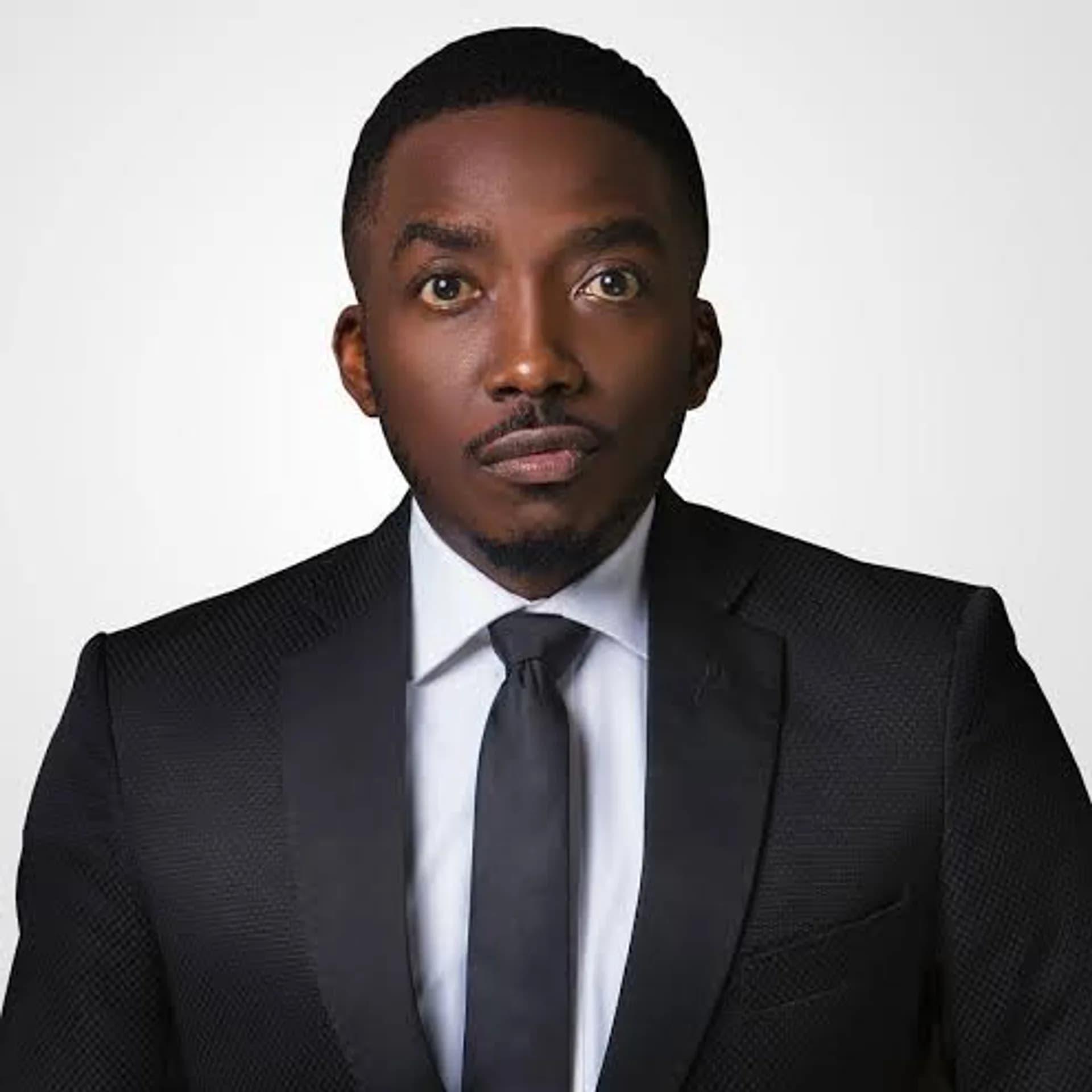
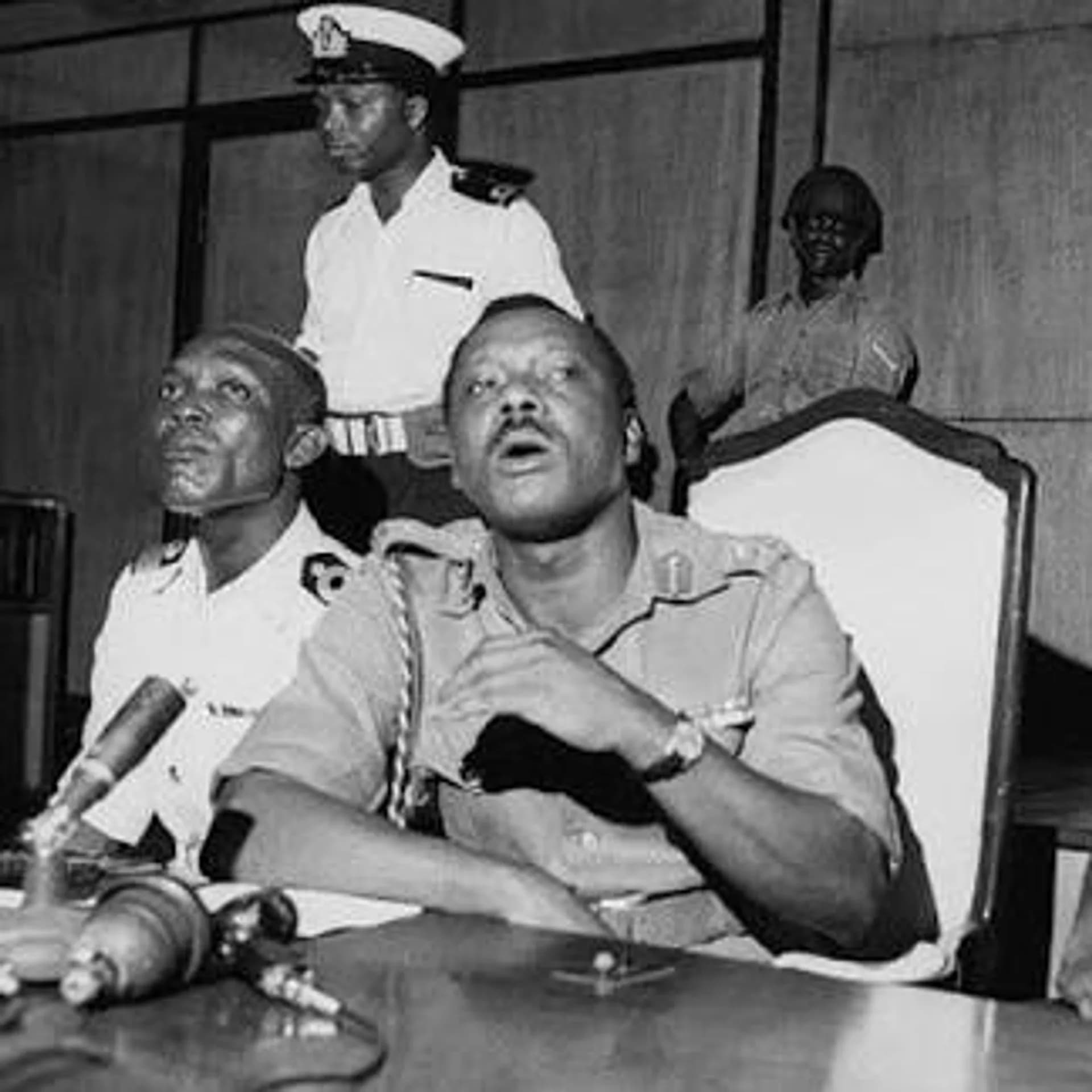
I saw Bovi’s post about the 1966 coup and, honestly, it pulled me into a familiar discomfort. Not because the facts were new, but because of how heavy they still feel, even 60 years later. When a comedian known for sharp humour chooses to revisit something this painful, it forces you to pause and really sit with our history.
Bovi talked about the January 15 coup and the “January Boys”, young officers like Major Chukwuma Nzeogwu, and the brutal killings that took place. Prime Minister Tafawa Balewa, Ahmadu Bello and other northern and western leaders were assassinated, while top eastern political figures were largely spared. That uneven pattern is what turned the coup into something more than a failed military takeover. It planted the idea, still alive today, that this was an “Igbo coup”.
Reading it again, I was reminded that history in Nigeria is rarely just history. It lives in our politics, our jokes, our online arguments, and even in how we see one another. Bovi did not try to soften the truth or dramatise it for effect. He laid it out plainly, and that simplicity is what made it unsettling. The coup failed, yes, but the damage it caused did not. General Aguiyi-Ironsi, an Igbo man who was not part of the plot, stepped in and took power, but by then the ethnic suspicion had already taken root.
What struck me most is how easily the story still splits people along tribal lines. Some read it as a necessary rebellion against a broken system. Others see it as the beginning of ethnic domination and betrayal. Both reactions still show up today, proving that we never really dealt with the aftermath. We moved on politically, but emotionally and socially, we carried everything forward.
Bovi bringing this up at the 60th anniversary feels intentional. It is not about reopening old wounds for the sake of it. It feels more like a reminder that unaddressed history does not disappear. It just waits for the next generation to stumble into it again. Until we can talk about 1966 without immediately choosing sides, the coup will remain more than a date in a textbook. It will remain a mirror Nigeria is still afraid to look into.