
“I can get beans and garri Ijebu at Bokku_Stores without any Omo Igbo cheating me.”
I know this matter has been ‘settled’; Bokku has issued an apology, and the vlogger has also released a video.
But even if the apology was merely a PR move to calm tensions—or a sincere effort to correct a mistake—the real issue of what went wrong still needs to be addressed, especially for communication professionals to learn from.
Before I go into why this obvious ethnic slur wasn’t flagged by Bokku’s marketing team, I’ll say this: I’ll still buy from Bokku. Their services are professional, their workers friendly, and their prices fair. I’m simply not quick to embrace cancel culture.
Now, to my analysis of what went wrong.
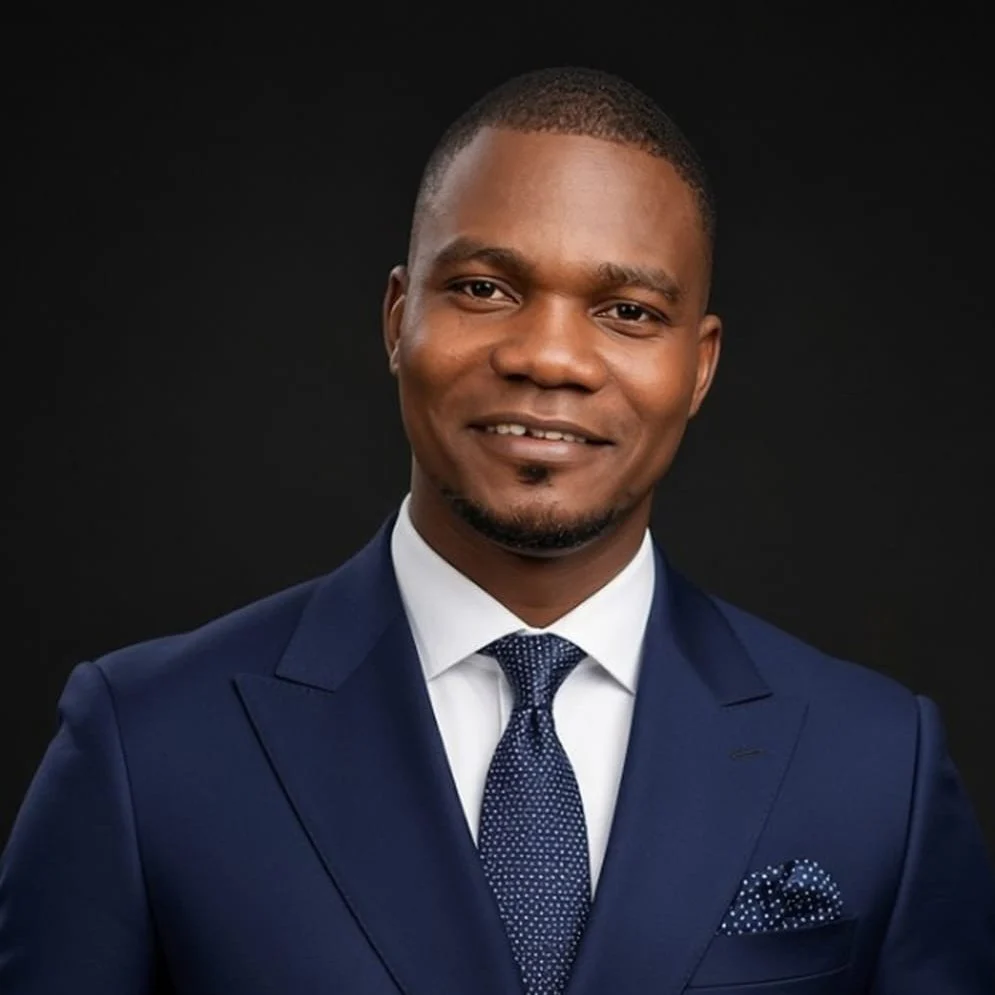
Against public sentiment, I believe the slur was unintentional. I don’t think Bokku or its founder, Adewale Adeyemi, harbors any bias against the Igbos.
Rather, the oversight reflects what I call the 'unsophisticated' nature of many marketing teams.
Here’s what I mean.
For many communication professionals, the job ends at creating catchy content, partnering with influencers, and driving visibility. To them, the cliché “bad publicity is still publicity” still holds true. They focus more on reach than sensitivity.
These professionals, while skilled in strategy and creative execution, often lack cultural literacy. They fail to grasp Nigeria’s ethnic, religious, and political nuances.
So, for them, “without any Omo Igbo cheating me” seems harmless—because of a lingering stereotype that Igbos inflate prices.
Whether true or not isn’t the point. The point is how repeating such stereotypes can damage a brand.
Communication doesn’t exist in a vacuum. Audiences are politically, religiously, and ethnically aware. They interpret messages through the lens of their identity, so every word must be weighed carefully.
To avoid such missteps, communicators must stay informed—not just about their brands, but about ongoing social and political conversations, locally and globally.
How often do you catch up with the news? Or do you only monitor mentions of your client’s brand?
You can’t run a campaign targeting Northern Nigeria yet remain unaware of current debates about whether insecurity in the region affects only Christians—or of global conversations on the matter by figures like Ted Cruz, Bill Maher, or Gimba Kakanda.
Even if your campaign is unrelated, ignorance of such contexts can make a simple phrase spark outrage.
So, as communicators, we must be sophisticated. We must know more than marketing. We must stay aware, read widely, and think deeply.
I hope Bokku recovers and learns from this—but more importantly, that others in our profession do too.