
Hear me out. Two major tragedies have hit Nigeria within a matter of days, and people are actually asking if there’s a connection between them.
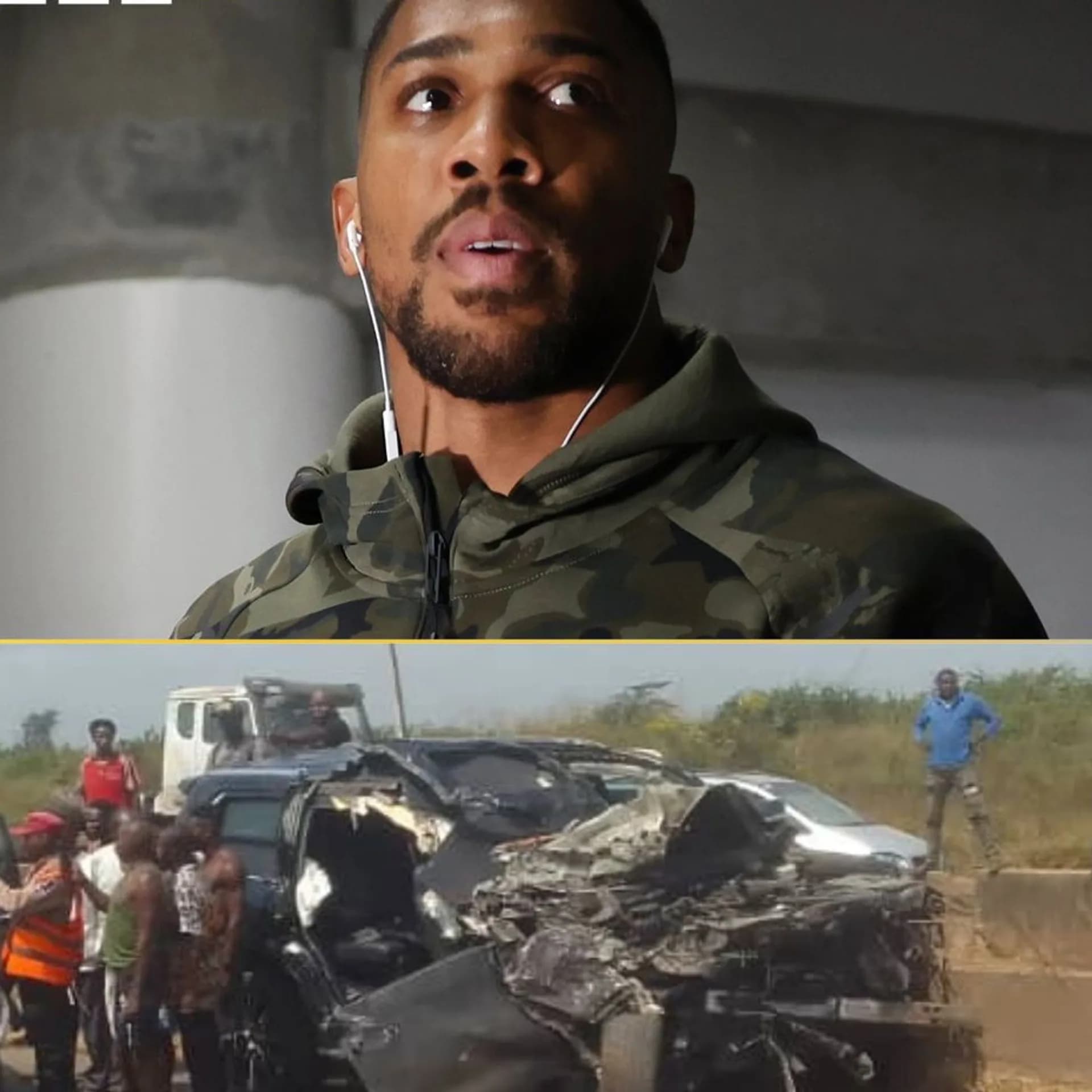
On one side, we have Anthony Joshua, the world heavyweight champ, who was involved in a serious car crash on the Lagos‑Ibadan Expressway. Two of his close friends and team members died in that accident. Joshua survived with minor injuries. 
On the other, we have Chimamanda Ngozi Adichie, the globally acclaimed writer, who lost her 21‑month‑old son. She and her family are alleging medical negligence at a Lagos hospital — issues with sedation, oxygen, and monitoring that they say led to his death. 
At first glance, these seem like completely unrelated tragedies — one a road accident, the other a possible healthcare failure. But I want to explore why so many people are already linking them in conversation:
1. The Underlying Theme People See: Systemic Failure
A ton of people are already saying the same thing: “This isn’t coincidence, this is Nigeria’s failing infrastructure hurting everyone — rich, famous, or ordinary.” 
People point to:
• Dangerous highways with parked trucks and no emergency response
• Hospitals that allegedly lack basic monitoring or safety standards
• A system that fails under pressure regardless of status
Some people are even saying these incidents highlight the same root problem — weak safety systems that affect everyone, even icons like AJ and Chimamanda. 
2. Is There Any Actual Direct Connection?
No verified evidence links Joshua’s accident directly to Chimamanda’s son’s death. They happened under different circumstances:
• Joshua’s crash was caused by overtaking at speed on a dangerous expressway. 
• Adichie’s tragedy is under investigation but currently involves alleged medical errors and negligence at a private hospital. 
So no, there’s no factual basis to say one caused or influenced the other. We would need actual data, not speculation.
But Here’s the Real Debate People Are Having
Is the connection real? No.
But is the pattern real? Yes.
What so many people are arguing is that both events reflect a larger issue:
👉 Public infrastructure and safety systems — from roads to emergency medical care — are often inadequate, even for wealthy or famous people.
👉 Tragedy isn’t limited to socioeconomic status here.
👉 When the system fails civilians, it feels like a collective pain.
Some voices are already pushing for real accountability and reform, saying these shouldn’t be isolated news items, they should be wake‑up calls. 
This isn’t about forcing a causal link between two heartbreaking events. It’s about the public conversation that’s happening because of them:
✔ People are talking about road safety like never before
✔ People are demanding better healthcare standards
✔ Even global figures aren’t immune to systemic risks
That’s why the idea of “Are they connected?” isn’t really about a conspiracy. It’s about a shared frustration and the hope that maybe this moment pushes for something better.
What do you think? Is this a genuine coincidence, or are these tragedies exposing something much deeper about how safety and care work in Nigeria today?