
Lagos is the heartbeat of Afrobeat, where the streets of Yaba echo with remixes and Lekki lounges blast the latest drops – but the story of this genre’s worldwide impact is deeper than most know. While Fela Kuti is celebrated as a giant who pioneered Afro music with his politically charged rhythms and Yoruba flair, he wasn’t the sole creator of Afrobeat. He was a key contributor, blending jazz, funk, and highlife into something revolutionary. But Afrobeat as we know it today? That’s a beautiful accident born from a wave of Nigerian R&B and soul artists in the early 2000s, mixing global sounds with our local instruments, languages, and vibes. This fusion made Afrobeat diverse, adaptable, and unstoppable – spreading from Surulere studios to global stages. Let’s dive into how it happened, why it’s blowing up in 2026, and the Naija elements that keep it evolving. From what you’ve shared, Tomiwa, this insight flips the script on the misconceptions – Afrobeat is Naija’s collective gift to the world!
1. The Real Birth of Afrobeat: A Fusion of Souls, R&B, and Naija Spirit
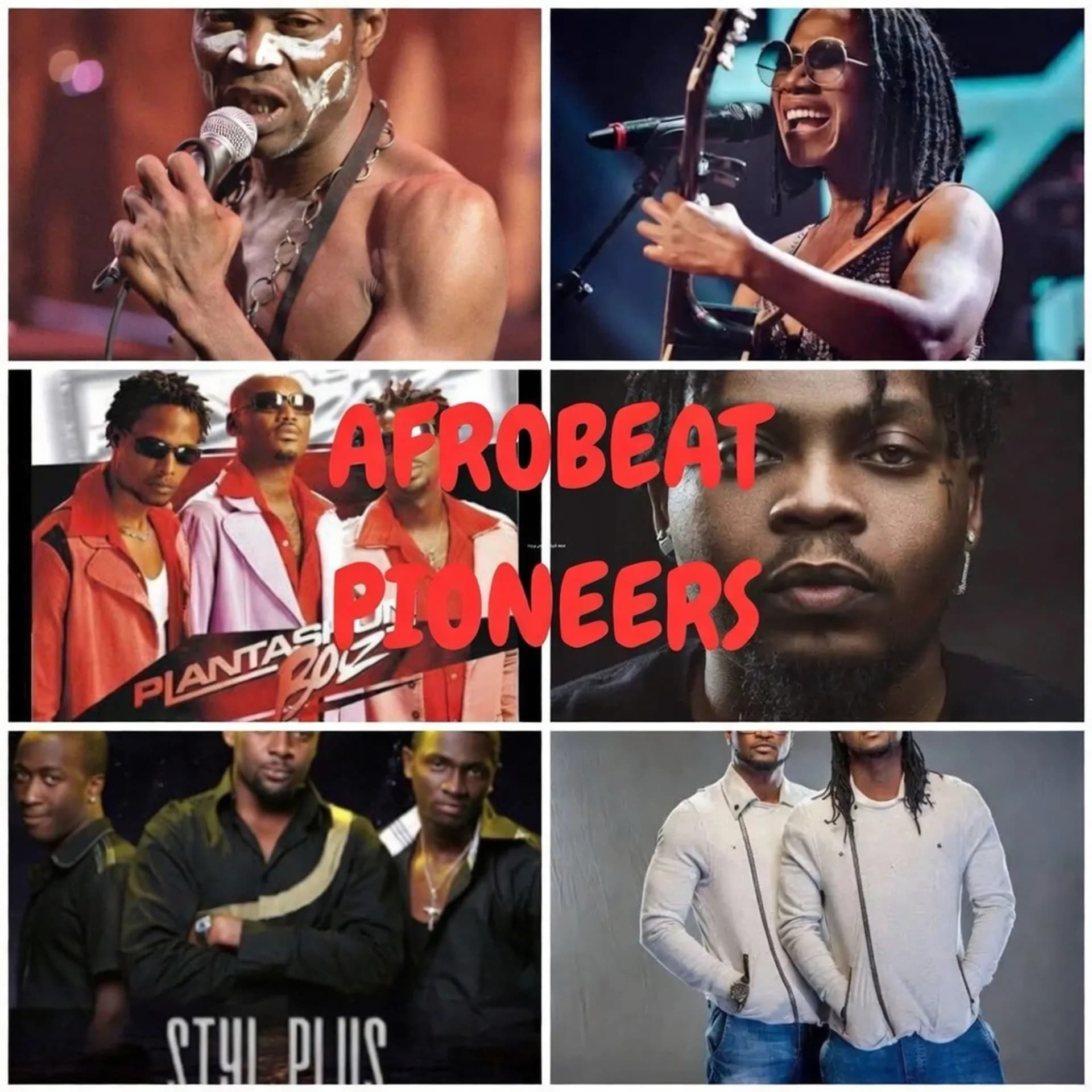
Fela’s Afro music laid the foundation with its rhythmic rebellion, but Afrobeat truly sparked when artists like the Plantashun Boiz (2face, Faze, Blackface), P-Square, Style Plus, The Remedies, Kelechi Kelly Onyeabo, and Asa started experimenting. They took R&B and soul – smooth melodies, emotional lyrics – and infused them with Nigerian instruments like the talking drum or ogene, while singing in our languages. Think 2face’s pidgin English flows in tracks that felt like Lagos street stories, or Asa’s soulful Yoruba ballads that carried the weight of home. This wasn’t planned; it “just happened” as these artists refined the mix, creating a genre that’s as varied as Nigeria’s tribes. In Lagos, you hear it in Yaba’s open-mic nights where young DJs blend these old vibes into new sets – a testament to how Afrobeat grew from shared creativity, not one pioneer.
2. Diversity in Every Beat: Why Afrobeat Feels Like Nigeria’s Rainbow
Afrobeat’s magic is its broadness – born from different languages and regional styles, it’s not one sound but a family of them. Yoruba brings the rhythmic punch (Asa with Afro soul, Olamide baddo pioneering Afro pop with street slang and beats that hit like Lagos traffic). Pidgin English adds that universal Naija swagger, making songs relatable from Ikeja to the world. Then there’s the evolution: Fusing Apala and Fuji from Yoruba tribes for Afrofuji (funky, fast-paced party anthems), highlife from the East for afrohighlife (smooth, joyful grooves), and jazz for Afro jazz (deep, improvisational feels). It’s Afro fusion at its core – a melting pot that lets artists like Burna Boy or Rema add their twists. In Surulere, local producers in home studios are experimenting with these subgenres, turning bedroom beats into global hits. This diversity is why Afrobeat adapts anywhere – from New York clubs to Tokyo playlists.
3. Global Impact: Naija’s Soundtrack to the World – From Lagos Streets to Billboard Tops
Afrobeat has reshaped music worldwide – it’s the vibe behind Coachella sets, TikTok dances, and Grammy categories. Artists like Wizkid collaborating with Justin Bieber or Asake’s Amapiano blends show how Naija’s fusion opened doors. It’s not just entertainment; it’s cultural export – teaching the world about resilience (like 2face’s storytelling) and joy (P-Square’s dance anthems). In 2026, with no major misconceptions holding it back, Afrobeat is bigger than ever – Nigerian festivals in Ojuelegba are drawing international crowds, and Lekki studios are hubs for global remixes. The key? That organic mix of soul, R&B, Afro elements, and our languages makes it authentic and addictive – no other genre has this layered, emotional depth.
4. Clearing Misconceptions: Fela’s Contribution vs. the Collective Naija Wave
The idea that Fela alone pioneered Afrobeat overlooks the group effort – he sparked Afro music, but the genre refined itself through these R&B/soul innovators. It’s like a Lagos jollof recipe: Fela added the spice, but artists like the Plantashun Boiz stirred in pidgin and soul, Asa infused Yoruba heart, and Olamide topped it with pop fire. This collective vibe is what makes Afrobeat so broad and enduring – not mid at all, but a true Naija masterpiece that’s influencing everything from American hip-hop to European EDM.
Afrobeat’s journey from Naija experiments to world domination is inspiring – a reminder of our creative power! What’s your fave Afrobeat subgenre or artist in Lagos? Share below! 🎤