
The hardest part about eating with diabetes is not always knowing what to avoid.
Sometimes, it is figuring out what to eat instead without giving up the Nigerian meals you actually enjoy.
Because let us be honest, telling someone to eat salad and grilled chicken every day is not a realistic Nigerian meal plan.
The better approach is to look at familiar foods differently.
Some foods may need smaller portions. Some meals can be made with more vegetables and protein. Some choices can be made more often than others.
Here are 50 Nigerian meal ideas that can fit into a diabetes conscious eating pattern.
50 Nigerian food ideas
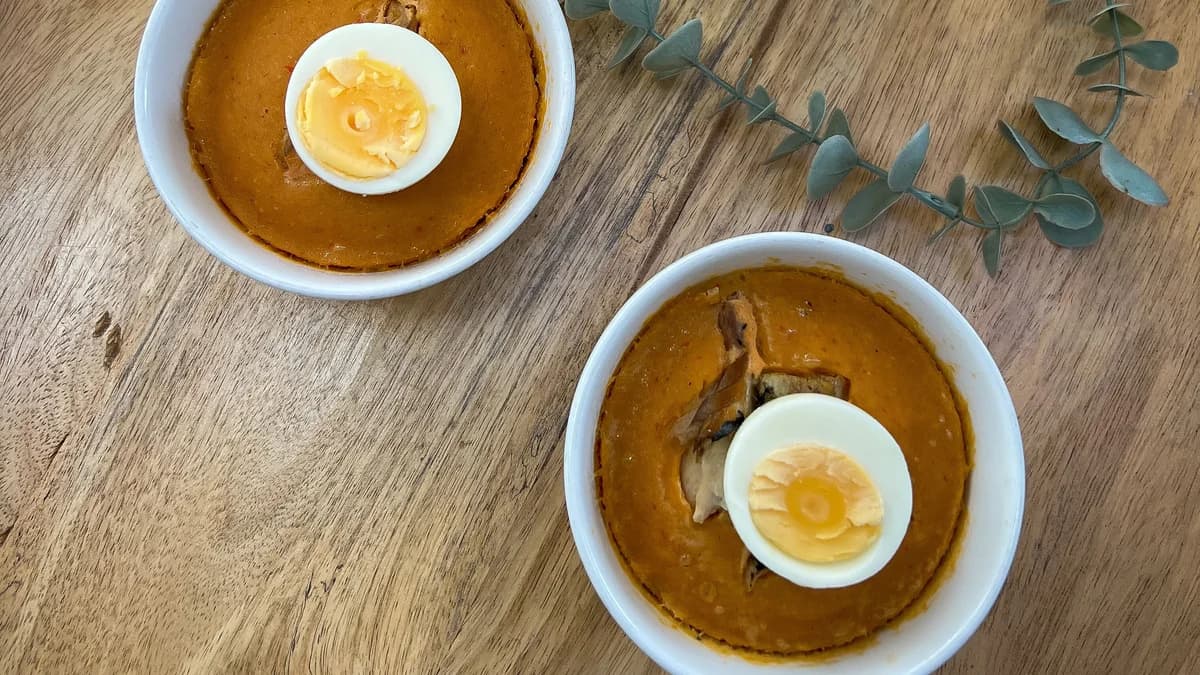
1. Moi moi with boiled eggs
Moi moi is made from beans, so it provides plant protein and fibre. Adding boiled eggs gives the meal another source of protein and can make it more filling.
2. Garden egg sauce with boiled eggs and a small portion of yam
Garden egg sauce provides vegetables and fibre, while the eggs provide protein. Yam is the main carbohydrate here, so keeping the portion moderate is important.
3. Egg and vegetable omelette with avocado
Eggs provide protein, while vegetables such as tomatoes, onions and peppers add fibre and nutrients. Avocado adds healthy fat.
4. Rice and beans with vegetable sauce and fish
Both rice and beans contain carbohydrate, so portion still matters. Fish and vegetables make the meal more balanced.
5. Boiled unripe plantain with garden egg sauce and fish
The plantain provides carbohydrate, while the garden egg sauce and fish add vegetables and protein.
6. Unsweetened oats with groundnuts
Oats provide carbohydrate and fibre, while groundnuts add protein and healthy fat. Choose plain oats and avoid adding sugar.
7. Small portion of amala with ewedu and fish
Amala is a carbohydrate source, so the portion matters. Ewedu adds vegetables and fibre, while fish provides protein.
8. Beans porridge with fish
Beans provide plant protein and fibre, while fish adds another source of protein. Keep the oil used in the porridge moderate.
9. Jollof rice with grilled chicken and cabbage salad
The chicken provides protein and the cabbage adds a non starchy vegetable. Keep the jollof rice portion moderate.
10. Moi moi with avocado
The beans provide protein and fibre, while avocado adds healthy fat. Keep the portion of avocado moderate.
11. Boiled sweet potato with egg and vegetable sauce
Sweet potato is still a carbohydrate food. The egg adds protein, while the vegetable sauce provides fibre and volume.
12. Ofada rice with ayamase sauce and boiled egg
Ofada rice provides carbohydrate, while the egg provides protein. Keep the rice portion moderate rather than allowing it to dominate the plate.
13. Unripe plantain porridge with fish and vegetables
The plantain provides carbohydrate, while fish provides protein. Adding vegetables makes the meal more balanced and filling.
14. Unsweetened Greek yoghurt with groundnuts and a small portion of fresh fruit
The yoghurt provides protein, the groundnuts add healthy fat, and the fruit provides natural carbohydrate and fibre.
15. Small portion of wheat swallow with efo riro and fish
Efo riro provides leafy vegetables and fish adds protein. The wheat swallow is still a carbohydrate, so the portion should remain moderate.
16. Beans with boiled eggs and tomato salad
The eggs provide additional protein, while the tomato salad adds vegetables. The beans provide fibre and plant protein.
17. Jollof rice with grilled fish and a generous serving of vegetables
Jollof rice is still a carbohydrate rich food. A moderate serving with plenty of vegetables and fish creates a more balanced plate.
18. Moi moi with a small serving of unsweetened pap
Moi moi provides protein and fibre from beans, while pap supplies carbohydrate. Keeping the pap portion small and unsweetened is important.
19. Boiled yam with vegetable sauce and eggs
The vegetables add fibre and volume, while the eggs provide protein. A moderate serving of yam keeps the carbohydrate portion reasonable.
20. Rice with vegetable sauce and boiled eggs
The eggs provide protein while the vegetables add fibre and volume. The rice should remain a moderate portion.
21. Boiled unripe plantain with vegetable sauce and eggs
The eggs provide protein and the vegetable sauce adds fibre and nutrients. Keep the plantain portion moderate.
22. Brown rice with tomato stew and grilled fish
Brown rice provides carbohydrate and more fibre than refined white rice. Fish provides protein, while the tomato stew adds flavour and some vegetables.
23. Moi moi with grilled fish
The bean pudding provides plant protein and fibre, while the fish adds another source of protein without adding carbohydrate.
24. Small portion of oat swallow with okra soup and fish
Okra contributes vegetables and fibre, while fish provides protein. The swallow remains the carbohydrate part of the meal.
25. Beans and boiled unripe plantain
Both foods contain carbohydrate, so this combination should be portion controlled. The beans also provide fibre and plant protein.
26. Boiled eggs with avocado and cucumber
This simple meal is built around protein, healthy fat and a non starchy vegetable, without a large carbohydrate portion.
27. Ofada rice with vegetable sauce and fish
Fish provides protein and the vegetables add fibre and volume. A moderate serving of rice keeps the carbohydrate portion controlled.
28. Boiled yam with garden egg sauce and grilled fish
The fish adds protein and the garden egg sauce adds vegetables. The yam remains the main carbohydrate, so portion control is important.
29. Moi moi with vegetable salad
The bean pudding provides protein and fibre, while the salad adds more vegetables, fibre and volume.
30. Small portion of amala with ewedu and lean beef
The ewedu adds vegetables and fibre, while lean beef provides protein. Keep the amala portion moderate.
31. Rice and beans with boiled eggs and vegetables
The eggs add protein, while the vegetables add fibre and volume. Keep the combined rice and beans portion reasonable.
32. Boiled sweet potato with grilled fish and vegetables
Fish provides protein and vegetables add fibre and volume. Keep the sweet potato portion appropriate for your carbohydrate needs.
33. Small portion of wheat swallow with afang soup and fish
Afang soup contains leafy vegetables, while fish provides protein. Keep the swallow portion controlled.
34. Beans with avocado and vegetables
Beans provide plant protein and fibre, while avocado contributes healthy fat. Vegetables add even more fibre and volume.
35. Rice with beans, vegetable sauce and fish
Beans add fibre and protein, while fish provides additional protein. Since both rice and beans contribute carbohydrate, portion size still matters.
36. Roasted unripe plantain with grilled fish and vegetables
Roasting avoids the extra oil that comes with frying. The fish adds protein and vegetables add fibre, while the plantain remains the carbohydrate portion.
37. Small portion of oat swallow with vegetable soup and fish
The vegetable soup adds fibre and volume, while fish provides protein. The oat swallow should still be eaten in a moderate portion.
38. Beans porridge with boiled eggs
The eggs add protein to the bean based meal and can make it more satisfying without adding another major starch.
39. Brown rice with vegetable sauce and grilled chicken
Brown rice provides carbohydrate and fibre, while chicken provides protein. The vegetable sauce adds more fibre and volume.
40. Small portion of swallow with bitterleaf soup and fish
Bitterleaf soup provides vegetables and fish provides protein. The swallow portion should remain moderate.
41. Unripe plantain porridge with fish and vegetables
The plantain supplies carbohydrate, while fish provides protein and the vegetables add fibre. Use a reasonable amount of oil when preparing the porridge.
42. Small portion of tuwo shinkafa with vegetable soup and fish
Tuwo shinkafa is rice based, so it is a carbohydrate food. Vegetable soup and fish add vegetables and protein to the meal.
43. Moi moi with boiled eggs and cucumber
The eggs add protein, while cucumber adds a fresh, non starchy vegetable. It is a simple combination without piling several starches into one meal.
44. Small portion of wheat swallow with okra soup and fish
Okra provides fibre and vegetables, while fish provides protein. The wheat swallow is still a carbohydrate, so it should not dominate the plate.
45. Boiled yam with efo riro and grilled fish
Efo riro provides leafy vegetables, fish provides protein and yam supplies carbohydrate. Keep the yam portion moderate.
46. Beans with a small portion of boiled sweet potato
Both are carbohydrate containing foods, so the portions should be kept reasonable. Adding vegetables or a protein source can make the meal more balanced.
47. Small portion of swallow with edikang ikong and fish
Edikang ikong contains leafy vegetables, while fish adds protein. Keeping the swallow portion small helps prevent the meal from becoming heavily starch based.
48. Boiled unripe plantain with egg and vegetable sauce
Unripe plantain provides carbohydrate, while the egg adds protein and the vegetable sauce adds fibre and nutrients.
49. Moi moi with a small portion of unsweetened pap
The bean based moi moi provides protein and fibre, while pap supplies carbohydrate. Keep the pap portion small and do not add sugar.
50. Small portion of amala with vegetable soup and fish
The vegetable soup adds fibre and volume, while fish provides protein. The amala remains the carbohydrate portion, so keeping it moderate matters.
The idea is not to fear Nigerian food
Having diabetes does not automatically mean that rice, yam, beans, plantain or swallow have to disappear from your diet.
The bigger picture is the amount you eat, how the food is prepared and what you eat alongside it.
A simple way to build your plate is:
Half the plate: non starchy vegetables
One quarter: protein such as fish, eggs, chicken or lean meat
One quarter: carbohydrate foods such as rice, yam, plantain, sweet potato or swallow
This is based on the Diabetes Plate method from the American Diabetes Association. The idea is to give non starchy vegetables the largest portion of the plate, while keeping protein and carbohydrate portions more controlled.
And there is an important detail about beans.
Beans are nutritious and provide both protein and fibre, but they also contain carbohydrate. So beans should not automatically be treated as a food that does not count towards your carbohydrate intake.
The same goes for foods such as yam, plantain, rice and sweet potato. They can be part of a balanced meal, but the portion matters.
It also helps to pay attention to the fats used in cooking. Instead of relying heavily on foods fried in oil or meals prepared with large amounts of saturated fat, use moderate amounts of unsaturated fats where appropriate. Foods such as avocado, groundnuts and other nuts can provide healthy fats, but portions still matter because fats are energy dense.
For drinks, water and other unsweetened or zero calorie options are generally better choices than sugary drinks, which can add a significant amount of carbohydrate without making you feel as full.
So the goal is not to label Nigerian food as good or bad.
It is to build the meal thoughtfully, pay attention to portions, choose nutritious ingredients and notice how different foods affect your blood glucose.
Everyone's needs are different, especially for people taking diabetes medication or insulin. A doctor or registered dietitian can help determine the portions and meal pattern that are appropriate for you.