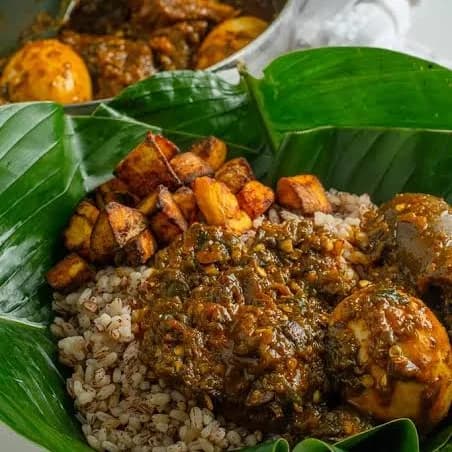

The first time I ate Ugboguru, I didn't even know what it was.
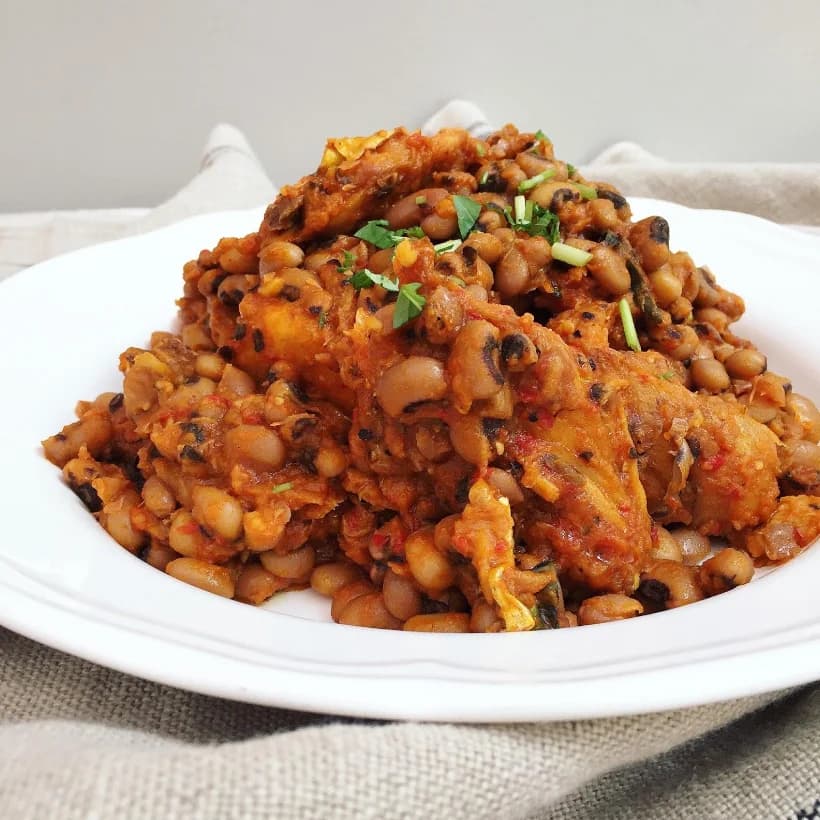
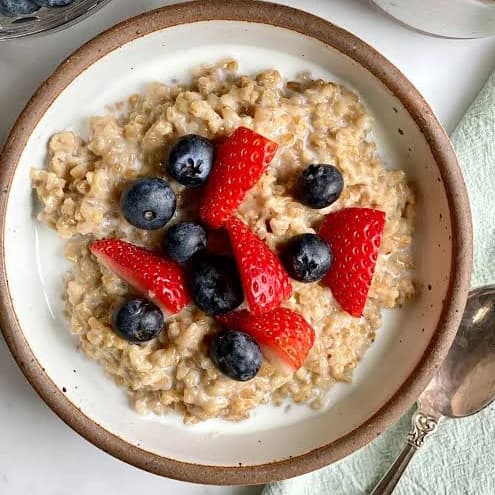
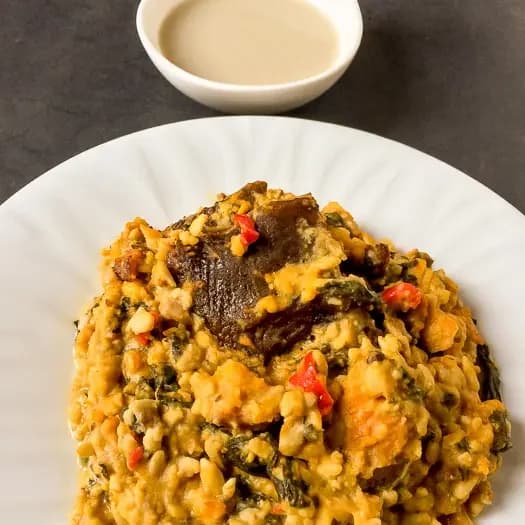
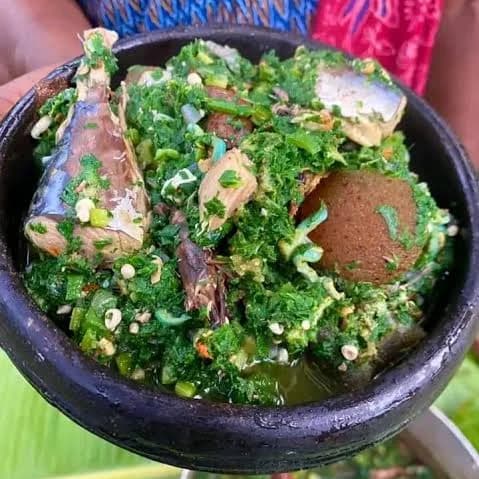
I had gone to visit a friend in Owerri, and her mum served us yam porridge cooked with Ugboguru, smoked fish, crayfish, and palm oil.
Halfway through the meal, I asked, "Is this ugu?"
She laughed and said, "No, that's Ugboguru. People here cook it all the time."
I'd walked past this vegetable countless times in the market without giving it a second look.
When I got home, I became curious and started reading about it.
Turns out, I'd been overlooking one of the most nutritious vegetables we have.
What Exactly Is Ugboguru?
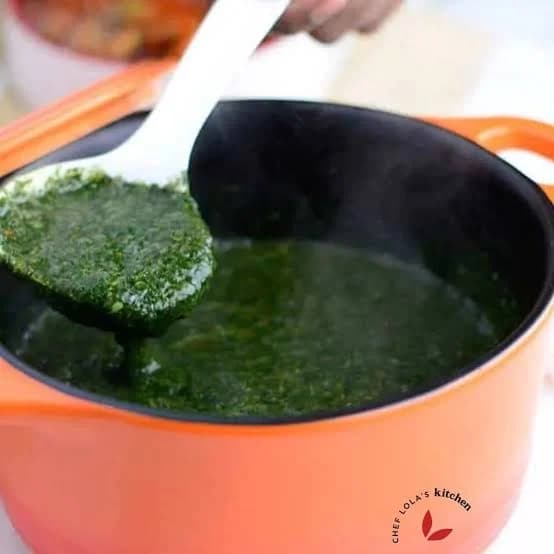
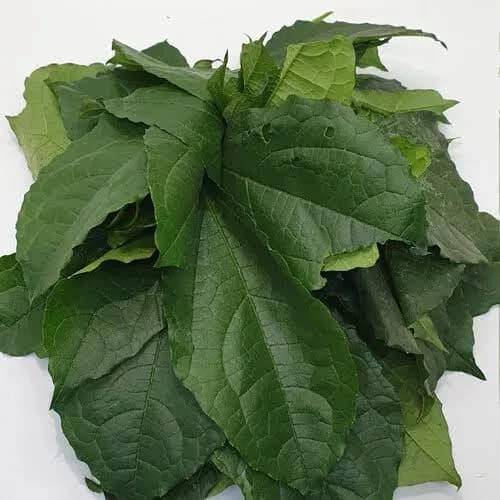
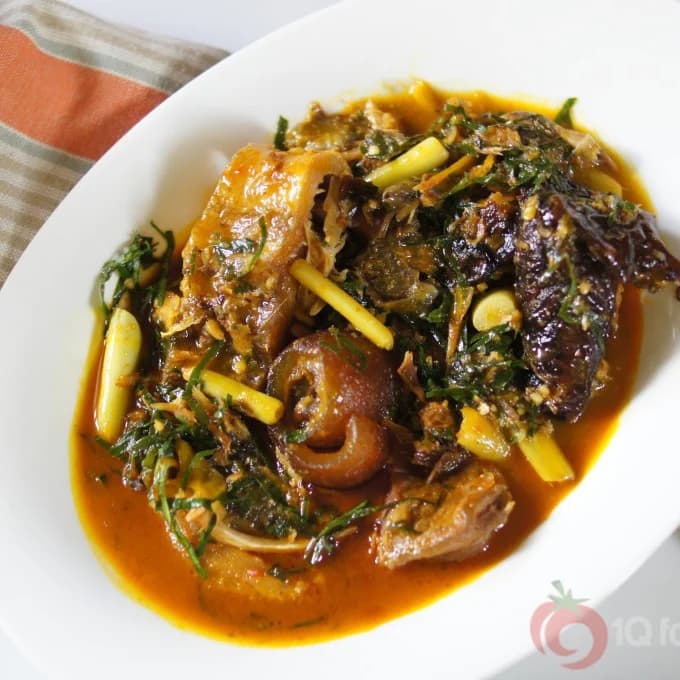
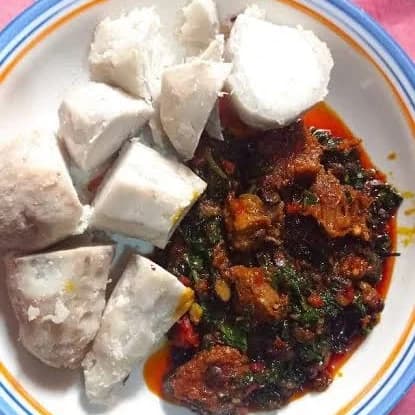
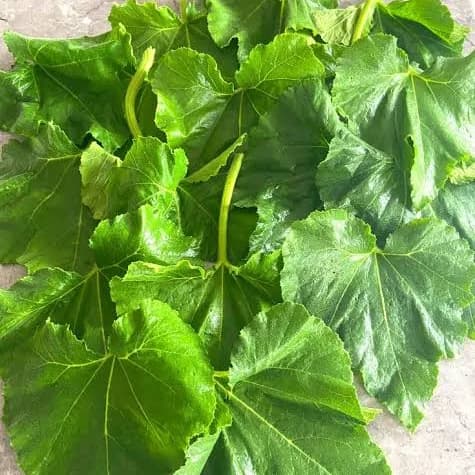
Ugboguru (also called Ugbogulu in some communities) is the tender leaves and shoots of the squash or pumpkin plant (Cucurbita pepo or related Cucurbita species). It's especially popular in Imo, Abia, and Anambra States, where it's used to prepare soups, yam porridge, and simple sauces eaten with boiled yam.
Unlike ugu, Ugboguru has soft, slightly hairy stems and curly tendrils. It cooks very quickly, so most people add it towards the end of cooking to keep its fresh taste and texture.
1. It's Rich in Beta-Carotene
The deep green leaves contain beta-carotene, which your body converts into vitamin A.
Vitamin A supports healthy eyesight, your immune system, and healthy skin.
2. It Provides Vitamin C
One thing that surprised me was learning that squash leaves naturally contain vitamin C, an antioxidant that helps support your immune system and also helps your body absorb iron from plant foods.
3. It's a Good Source of Calcium and Magnesium
Like many dark green vegetables, Ugboguru contains minerals such as calcium and magnesium, which help support healthy bones, muscles, and normal nerve function.
4. It Contains Iron
Iron helps your body produce healthy red blood cells that carry oxygen around the body.
That doesn't mean Ugboguru alone will prevent or treat anaemia, but it's another reason many families enjoy adding it to their meals as part of a balanced diet.
5. It's Surprisingly Versatile
Before that visit to Owerri, I assumed it was only used for soup.
I later discovered people also cook it with:
-Yam porridge
-Ugboguru soup
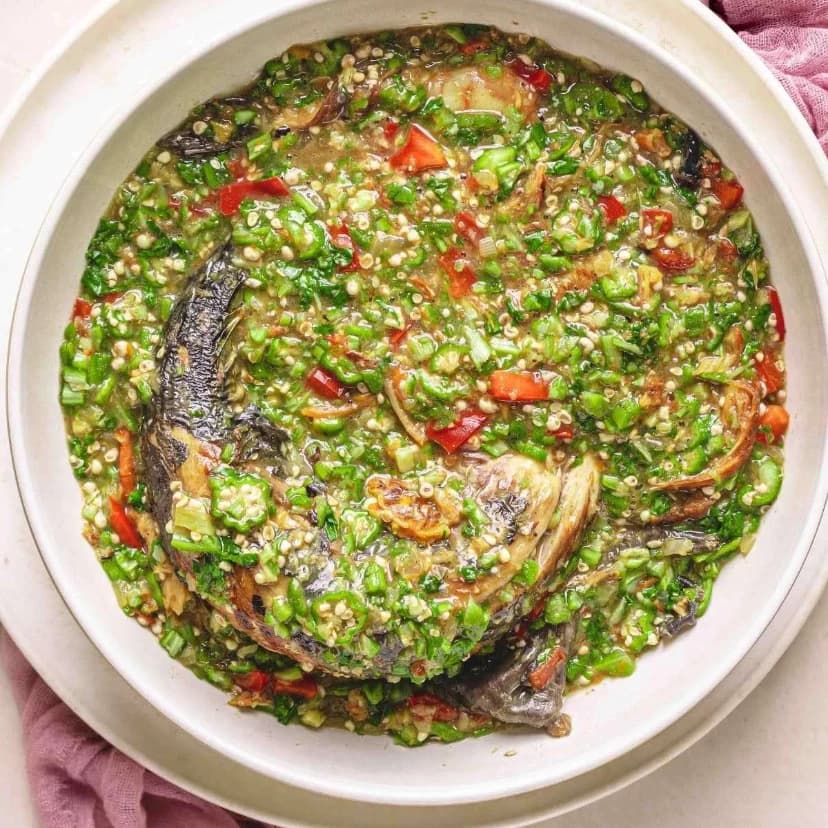
-Okra soup
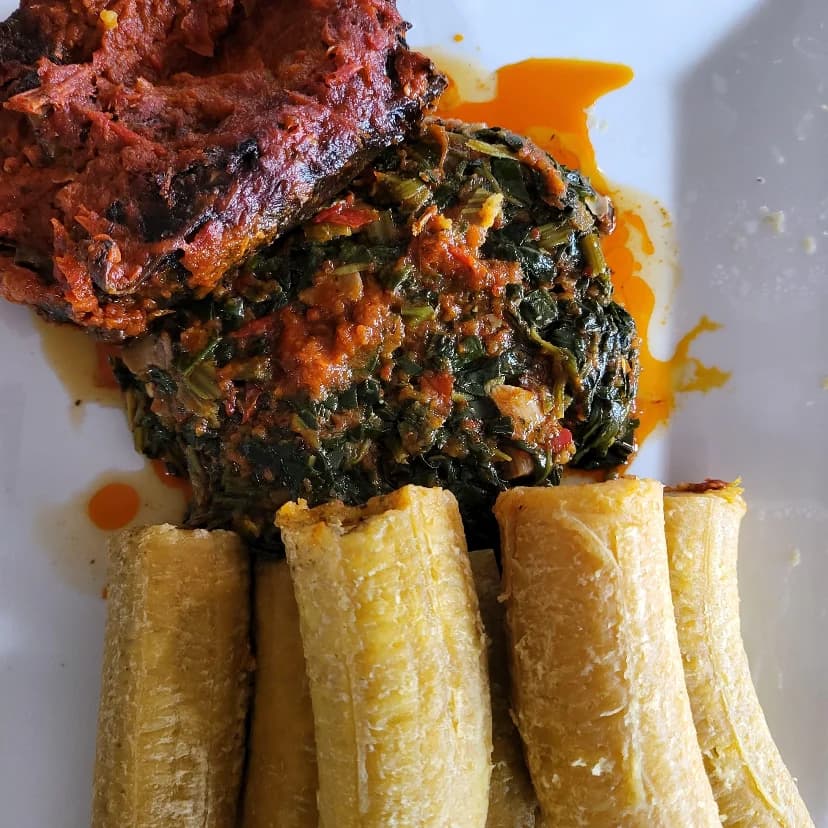
-Vegetable sauces served with boiled yam
Because the leaves are tender, they don't need much cooking time. In fact, overcooking them can make them lose some of their fresh flavour.
We spend so much time talking about imported "superfoods" that we sometimes forget the vegetables already growing around us.
Ugboguru may not be as popular as ugu, but it's packed with nutrients, easy to cook, and has been part of traditional meals in southeastern Nigeria for generations.
The next time you're at the market and you see someone selling Ugboguru, don't walk past it like I used to.
Have you ever eaten Ugboguru? Was it in soup, yam porridge, or another dish? I'd love to hear how it's prepared where you're from.