
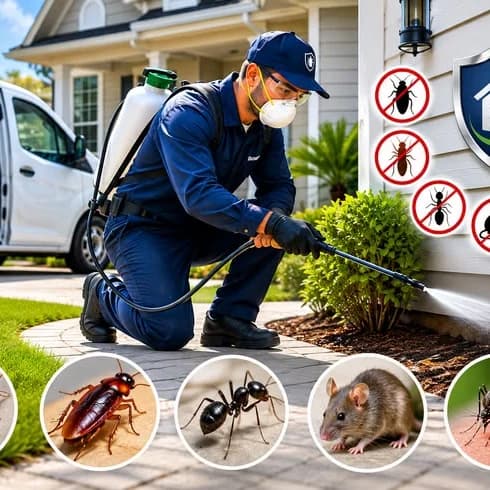
Nobody wants to share their home with uninvited guests — especially when those guests have six legs, fur, or a taste for your food. Pest problems are more common than most people think, and the earlier you catch the signs, the easier (and cheaper) it is to deal with them.
Here are 10 warning signs that pests may have already moved into your home — and what you should do next.
1. You Hear Scratching or Scurrying Sounds at Night
If you're lying in bed and hearing sounds inside your walls or ceiling, that's a red flag. Mice, rats, and squirrels are nocturnal and tend to move around after dark. Don't ignore this — rodents multiply fast and can chew through electrical wiring, creating a serious fire hazard.
What to do: Set traps near walls and entry points. If sounds persist for more than a week, call a pest control professional.
2. You Find Droppings in Drawers or Corners
Pest droppings are one of the clearest signs of an infestation. Mouse droppings look like small dark grains of rice. Cockroach droppings are even smaller and may look like black pepper or coffee grounds. Finding these in your kitchen cabinets or pantry means pests are already feeding on your food.
What to do: Clean the area with disinfectant immediately, then seal all food in airtight containers.
3. Bite Marks on Food Packaging
Gnawed cereal boxes, bags with tiny holes, or chewed wires are classic signs of rodent activity. Rats and mice don't just steal food — they contaminate everything they touch.
What to do: Throw away any packaging that looks tampered with. Store dry goods in sealed glass or plastic containers.
4. You Notice a Musty or Unusual Odor
A strange, musty smell that won't go away — especially in damp areas like basements or under sinks — can signal a cockroach or mold-related pest issue. Bed bugs give off a sweet, sickly smell. Rodents leave behind a sharp ammonia-like odor from their urine.
What to do: If cleaning doesn't eliminate the smell, inspect hidden corners and contact pest control.
5. You See Mud Tubes Along Your Walls
Thin, pencil-sized tunnels made of mud along your foundation or baseboards? That's the work of subterranean termites. These pests are silent destroyers — they can hollow out wooden structures for years before anyone notices.
What to do: This is not a DIY situation. Call a licensed termite control company immediately.
6. Sawdust-Like Material Near Wood
If you spot piles of what looks like fine sawdust near wooden furniture, door frames, or floors, you may be dealing with wood-boring beetles or carpenter ants. Over time, these pests weaken the structural integrity of your home.
What to do: Inspect the wood carefully for small holes. A pest control specialist can confirm the type of pest and recommend treatment.
7. Unexplained Bites on Your Skin
Waking up with itchy, red bite marks that weren't there when you went to sleep? Bed bugs are a top suspect. These tiny insects hide in mattresses, box springs, and furniture seams — and they feed at night.
What to do: Check your mattress seams and bed frame. Look for tiny rust-colored spots on sheets (a sign of bed bug activity). Bed bug infestations require professional heat treatment in most cases.
8. You Spot Live or Dead Insects Regularly
Seeing one or two ants or cockroaches might not seem like a big deal. But if you're regularly spotting insects — especially during the day — it usually means the nest is large and nearby. Cockroaches, in particular, avoid light. Seeing them in daylight means the population has grown too large for them to hide.
What to do: Use bait stations and gel treatments, but consult a professional for large infestations.
9. Plants Are Dying for No Obvious Reason
If your indoor or outdoor plants are wilting, yellowing, or dying despite proper watering, pests like aphids, spider mites, or fungus gnats may be attacking the roots or leaves.
What to do: Inspect plants closely with a magnifying glass. Treat with neem oil spray or insecticidal soap for minor cases.
10. You See Nests or Hives Near Your Home
Wasps building a nest under your eave, ants forming hills in your yard, or termite swarms near your foundation are all serious signs of an outdoor pest problem that could soon become an indoor one.
What to do: Do not disturb the nest on your own — especially wasp or bee hives. Call a professional exterminator.
Final Thought
The biggest mistake homeowners make is waiting too long to act. What starts as a minor nuisance can turn into thousands of dollars in damage. If you spot even two or three of these signs, it's time to take action — whether that's a simple DIY fix or calling in a certified pest control specialist.
Your home is your safe space. Don't let pests take over.