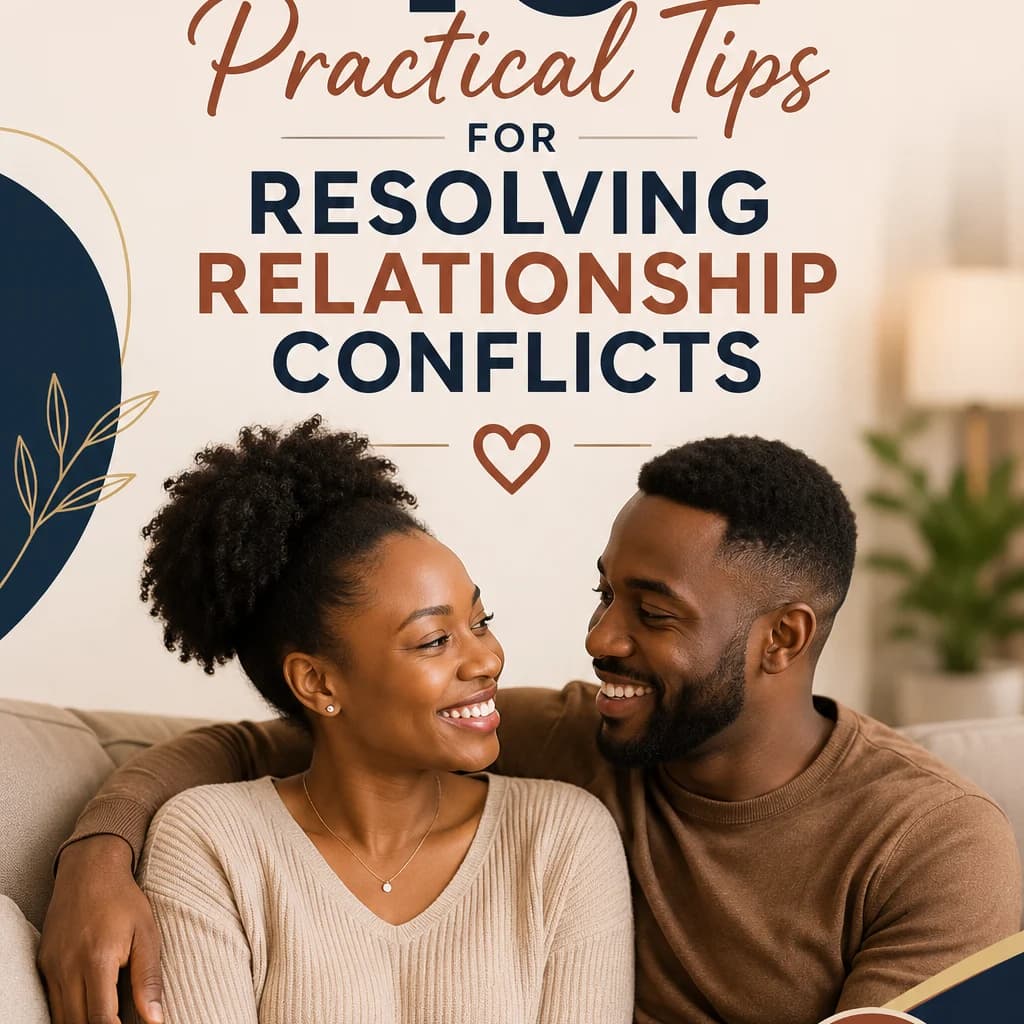
It is not surprising that conflicts inevitably arise in relationships. This is because unique individuals are involved, each bringing their own perspectives, experiences, and expectations into the relationship. However, the way a couple handles and resolves these issues greatly influences the overall health and durability of their connection. This article delves into 10 practical tips for resolving conflicts in relationships, promote understanding, and strengthen the bond between partners.
1. Embrace Active Listening
Understanding your partner’s viewpoint is very essential in a relationship. When your partner is talking, devote your full attention to them, maintain eye contact, and acknowledge their emotions. Active listening means not being distracted when your partner is speaking to you. Do not just listen to respond; listen to understand how they feel so you can know how to react after they have expressed their feelings. It shows respect, reduces misunderstandings, builds trust, and creates a supportive space for effective communication.
Give your partner a chance to feel heard by listening to what they have to say without interrupting. By doing this, you show empathy, and this will foster a deeper understanding between you and your partner. Speaking of empathy, that takes us to point two.
2. Cultivate Empathy
As imperfect humans, we all have selfish tendencies. We often want everything to revolve around ourselves before considering others. If you want to strengthen the emotional connection you and your partner share and overcome challenges as a team, then you need to cultivate empathy. Empathy allows you to put yourself in your partner’s shoes and see things from their perspective. Don’t always make everything about yourself; instead, consider your partner’s feelings and needs as well.
Empathy helps clarify your partner’s intentions and minimizes the likelihood of misunderstandings. It also promotes patience, allowing partners to navigate challenges with a more compassionate and understanding mindset. There is a sense of worth and significance a person feels when their partner validates their experiences and emotions through empathy. Partners who empathize with each other are better equipped to weather challenges and grow together.
3. Promote Open Communication
There is no healthy relationship without open communication. Establish a secure foundation where both of you can freely share your thoughts and emotions without fear of judgment. What destroys most relationships is poor communication. Many people in relationships today avoid deep conversations. They pretend everything is fine when it is not. Instead of talking things out and expressing their feelings to their partner, they prefer to walk away or remain silent, leaving their partner in the dark. This is not a healthy way to resolve issues in a relationship.
Open communication leads to a better understanding of each other’s thoughts, feelings, and perspectives. If your partner is doing anything that makes you feel unloved, you should always open up to them. When partners feel they can communicate honestly and transparently, it strengthens trust within the relationship. Clear communication promotes constructive discussions that help partners find common ground and resolve conflicts effectively. Sharing thoughts and emotions creates a sense of emotional intimacy between partners. It also prevents misunderstandings, which often lead to unnecessary conflicts.
4. Acknowledge Errors and Extend Forgiveness
Recognize your mistakes and be ready to offer a sincere apology when needed. Do not always wait for your partner to point out your mistakes before acknowledging them. Clinging to resentment can gradually ruin the foundation of a relationship over time. Learn to forgive. Letting go of grudges prevents the accumulation of negative emotions that can erode the connection over time.
Forgiveness plays a crucial role in a relationship, so be willing to forgive your partner. Because of imperfection, both of you will certainly step on each other’s toes. You both have flaws, so don’t expect perfection from your partner. Learn to overlook some things your partner may do that hurt you; not everything should be taken to heart. Be patient with your partner.
The ability to acknowledge errors and forgive your partner contributes to the long-term happiness of the relationship. Everyone wants to be happy, including you and your partner. To achieve this, both of you need to learn how to move past disagreements and find resolutions. Acknowledging mistakes also fosters accountability for your actions and encourages you to actively contribute to the well-being of the relationship.
5. Strive for Compromise
Effectively resolving conflicts often requires finding a middle ground. Consistently finding common ground helps prevent feelings of resentment that may arise when one partner’s needs take precedence over the other’s. Be willing to compromise and collaborate in finding solutions that meet the needs and expectations of both you and your partner. Compromise ensures that both partners have their needs and expectations met to some extent, fostering a sense of satisfaction on both sides. It encourages a teamwork mentality, which can help both of you overcome challenges and build a stronger relationship. It also enhances communication and promotes a healthy exchange of ideas and perspectives.
A willingness to compromise demonstrates flexibility and adaptability because these qualities help both partners navigate the inevitable changes and challenges that may arise in a relationship. Collaborative decision-making fosters a stronger emotional connection. It also helps both partners feel valued and considered in the relationship. Cultivating a habit of compromise promotes fairness and contributes to the long-term health and sustainability of the relationship by creating a foundation of cooperation and understanding.
6. Select Appropriate Timing and Setting
There is a right time for everything. Effective conflict resolution hinges on timing. Discussing problems when your partner is stressed or busy can stir up more issues in the relationship. It can hinder constructive communication and escalate tension, making it challenging for both partners to approach conflicts with a calm and rational mindset. Avoid addressing conflicts in a public or rushed setting, as this may result in miscommunication because one of you might struggle to express yourselves clearly or fully understand each other. Poor consideration for timing and setting can make your partner feel disregarded or unimportant, and it can even strain the emotional connection you both share.
Choosing a suitable setting and timing for resolving conflicts facilitates effective communication by giving partners room to express themselves clearly and understand each other better. It prevents heated discussions in public and promotes a stronger emotional bond, as partners feel respected and valued. This can also contribute to a healthier and more resilient partnership.
7. Avoid Third Parties
Getting others involved—such as friends, family, neighbors, or “social-media in-laws”—when conflicts arise between you and your partner can complicate issues further. This does not mean you should never involve close family or trusted friends when you and your partner have problems, but this should only happen after both of you have genuinely tried to resolve the issue yourselves and failed. The two people involved in the conflict should first make every effort to resolve it together. If you are too upset to talk about it at that moment, then give yourself some time to calm down before expressing yourself.
Don’t be quick to take your relationship problems to social media; that is not where the solutions lie. Rather, it may only damage the reputation of the relationship. Some of the people you involve may simply want something to gossip about instead of genuinely helping you resolve your issues. Involving third parties can also lead to misinterpretation or bias, as outsiders may not fully understand the dynamics of your relationship or the context of the conflict.
The best person to talk to when there is conflict in your relationship is your partner. That is why open communication is essential for resolving issues. Keeping conflicts within the relationship maintains privacy and intimacy, preventing unnecessary exposure of personal matters to outsiders. When you address conflicts directly with your partner, it demonstrates trust and a commitment to resolving issues internally without external interference. It also avoids unnecessary drama and complications.
8. Explore Triggers
Conflicts do not develop on their own; there are underlying triggers that contribute to disagreements in a relationship. It is important for you and your partner to identify and understand each other’s triggers that may prompt unnecessary arguments. Identifying these triggers can help prevent unnecessary conflicts by allowing both of you to navigate potential sources of tension with greater sensitivity and caution.
Openly discussing and exploring triggers builds trust within the relationship because it demonstrates a commitment to understanding and respecting each other’s emotional boundaries. It also promotes a more considerate approach to sensitive topics, fostering an environment where both you and your partner are mindful of each other’s emotional well-being.
9. Consider a Timeout if Necessary
There are moments when you or your partner may experience heightened emotions or feel overwhelmed. During such periods, taking a break can be helpful. A break provides an opportunity for both partners to gain clarity and perspective, leading to a more rational and objective approach. It prevents the exchange of hurtful words or actions that may occur during heated moments, thereby preserving the emotional well-being of both partners.
Timeout periods give partners time to cool off, reducing the intensity of emotions fueling the disagreement. This can lead to improved communication by giving both of you the opportunity to approach the conversation with renewed understanding and patience. Additionally, taking a timeout demonstrates respect for each other’s emotional boundaries and acknowledges the need for personal space during moments of heightened tension.
However, too much of anything can be harmful. Taking breaks should not become the norm. Regularly taking breaks may cause your partner to perceive it as avoidance or an unwillingness to address issues, which can lead to frustration or feelings of neglect. You can take a break, but do not make it too frequent. Make sure to communicate why you are taking a break so your partner does not misunderstand it as withdrawal or disengagement.
10. Consider Relationship Counseling
In some cases, conflicts may persist and prove difficult to resolve independently. What should you and your partner do in such situations? Seek professional help. Relationship counseling offers a neutral space for both of you to express yourselves and gain valuable tools for effective conflict resolution. Through counseling, partners can also work on rebuilding emotional intimacy, creating a stronger bond and connection with each other.
Counseling provides a supportive environment where both partners can express emotions and concerns without judgment, promoting emotional well-being. There may also be underlying issues that you and your partner are unaware of, but a professional counselor can help identify recurring patterns and unhealthy dynamics within the relationship. A counselor can also provide a neutral and unbiased perspective that helps mediate discussions and guide both partners toward solutions without taking sides.
Do not think for a moment that counseling is only for couples who are about to separate or divorce. It is not. If you want to break negative patterns of behavior or communication that may be causing conflicts, seeking professional guidance can be very beneficial.
Summary
What have we learnt from this discussion? That resolving conflicts in relationships involves a proactive and intentional approach that requires effort, patience, support, and understanding. If you want successful conflict resolution, then you need to actively engage with your partner, listen attentively, and dedicate time and energy to addressing issues rather than avoiding or brushing them aside. Choose to work through conflicts instead of giving in to frustration or resentment. The willingness to understand your partner’s perspective is fundamental, so do not neglect it.
Offering support during conflicts creates a sense of unity between you and your partner.
The 10 tips outlined above—including open communication, empathy, and compromise—provide practical tools for navigating conflicts in relationships. Embracing conflicts as opportunities for growth contributes to the overall health and durability of the relationship, creating a foundation of trust, communication, and resilience. Remember, it is not about avoiding conflicts, but about navigating them with grace and understanding.